


The North News
Chandigarh, December 19
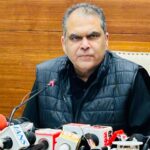
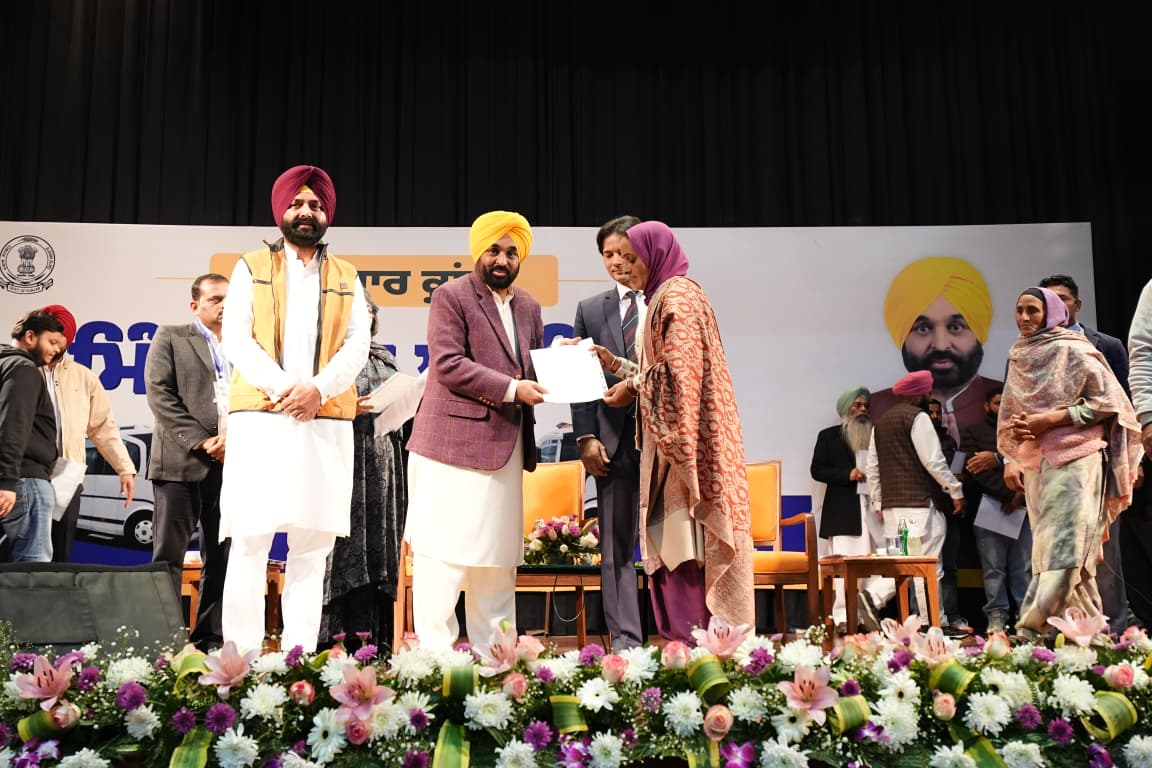
Punjab Chief Minister Bhagwant Singh Mann on Friday handed over 505 mini-bus permits to unemployed young people under the state government’s Rozgar Kranti Scheme, calling it a decisive step to end the long-standing dominance of a few large players in the transport sector. Addressing a function at the Mahatma Gandhi State Institute of Public Administration (MGSIPA) in Chandigarh’s Sector 26, Mann said the initiative marked the beginning of a “new era of self-employment” in Punjab. He said 1,165 small stage carriage permits had been approved since March 2022, with 505 issued on Friday alone.
“These permits have been allotted in a free and fair manner to empower youth from ordinary families,” the Chief Minister said, adding that earlier governments had treated transport permits as a private preserve of those close to power. Mann said the move would have a wider economic impact, benefiting petrol pump owners, bus operators and other allied sectors. He also referred to the introduction of dedicated school buses for girls, aimed at easing transport difficulties faced by students.
Highlighting infrastructure development, the Chief Minister said work had been allotted for recarpetting 43,000 kilometres of roads across the state, including 19,000 kilometres of rural roads, with a mandatory five-year maintenance clause.
He said more than 58,000 youths had been given government jobs during his tenure without corruption, nepotism or political recommendations. In contrast, he alleged that previous regimes had monopolised the transport business by issuing permits within families and close political circles.
“This monopoly has now been broken,” Mann said. “An honest government committed to public welfare is now in charge.” Commenting on the recent local body elections, the chief minister said the polls were conducted in a free and fair manner, pointing out that several candidates won by narrow margins of two or three votes. He dismissed opposition allegations as an attempt to mask their electoral rejection, particularly in rural areas where voters, he said, had chosen development over rhetoric.
Mr Mann accused earlier governments of plundering Punjab’s resources, alleging that the Badal family had centralised the transport business, leading to its collapse and concentration in a few hands.
Announcing plans to strengthen public transport, the chief minister said the state would induct 1,311 new buses and ensure that private operators were not allowed to exploit commuters. He said bus stands in Patiala, Jalandhar, Sangrur, Ludhiana and Bathinda were being upgraded with modern facilities.
He also announced plans for a mobile application for bus ticket bookings and the introduction of shuttle bus services across Punjab to improve last-mile connectivity.
Mann said the state cabinet had amended rules to make it easier for new players to enter the transport sector, with the dual aim of creating jobs and improving services. “We want to change the mindset from job seekers to job creators,” he said, adding that Punjab’s youth had immense potential.
The Chief Minister said the closure of 17 toll plazas had saved Punjabis around ₹64 lakh every day. He alleged that toll operators had sought extensions to exploit commuters but were denied by the state government. Criticising the Centre, Mann said recent changes to MNREGA rules appeared aimed at weakening the scheme by increasing the financial burden on states. He announced that a special session of the Punjab Vidhan Sabha would be convened in January to discuss the issue.
He also attacked the Centre’s Agniveer recruitment scheme, calling it “unconstitutional” and contrary to the ethos of the Indian Army. Referring to Punjab’s military legacy, he said the state had made immense sacrifices for the country. “As the custodian of Punjab, I will always stand up for the state’s rights and oppose any move that harms its interests,” the Chief Minister said.