







The North News
Chandigarh, December 18
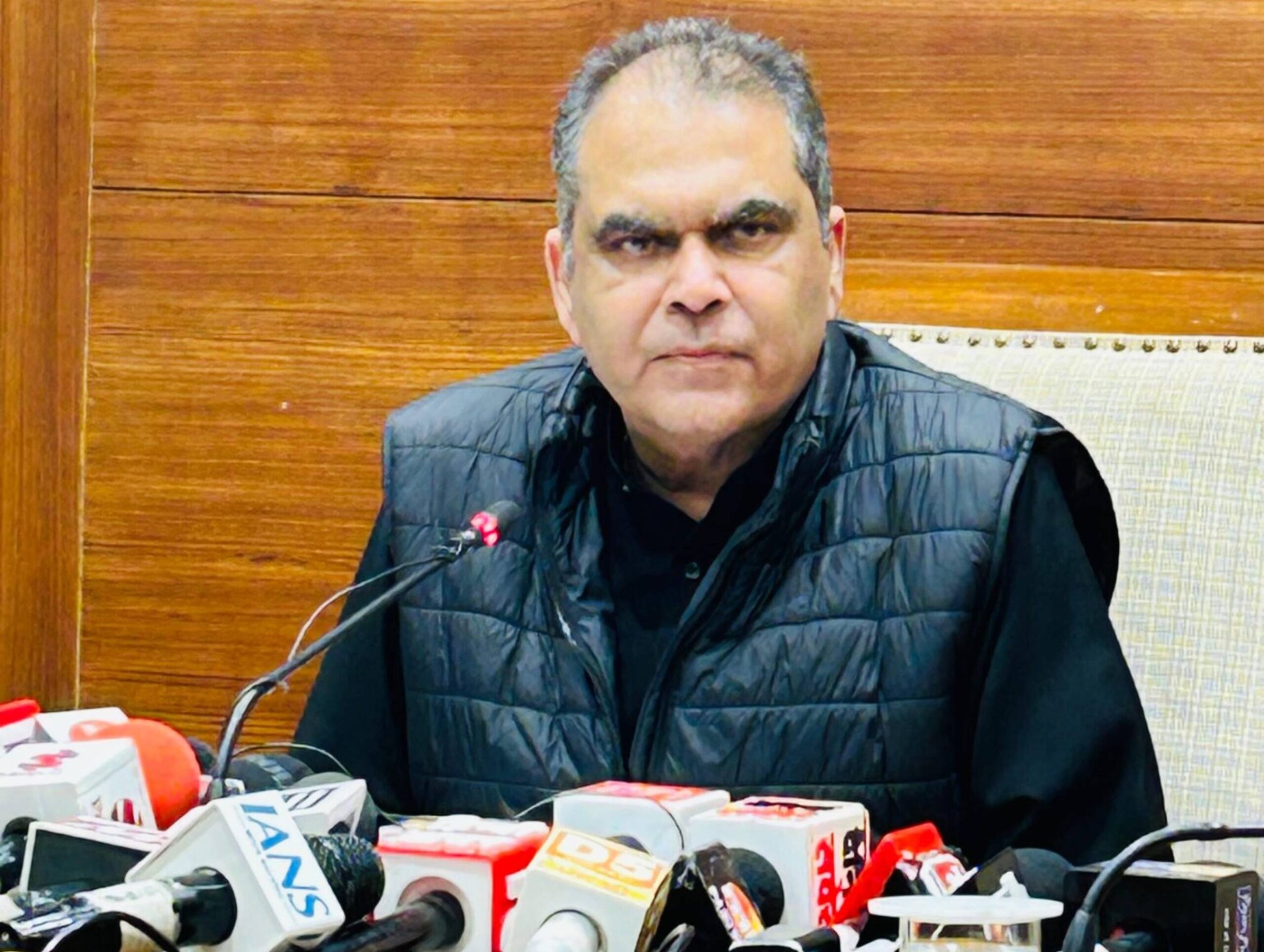
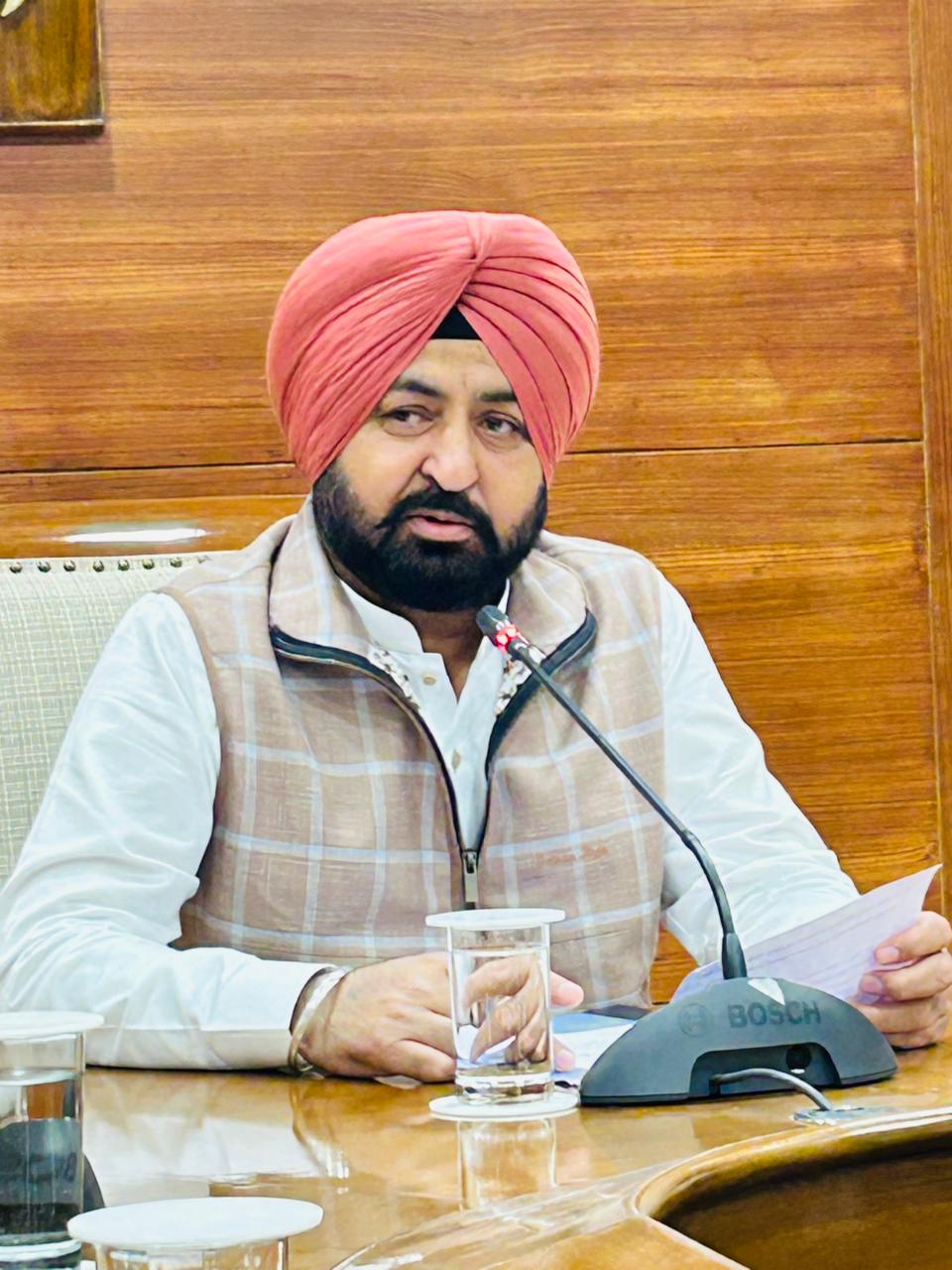
Punjab’s government has invested more than Rs 2,900 crore to strengthen water supply and sanitation infrastructure across the state, aiming to improve daily living conditions in rural and semi-urban areas, Water Supply and Sanitation Minister Hardeep Singh Mundian on Thursday. The minister said the sustained funding under Chief Minister Bhagwant Singh Mann’s administration had helped speed up major projects, expand the use of technology and improve water quality systems. As a result, more than 34 lakh families now have access to safe and potable drinking water, with the state achieving 100 percent coverage, he added.
Punjab has also approved an annual implementation plan worth ₹2,190.80 crore for the rural sanitation sector for the 2025–26 financial year, according to the minister. Mundian said Punjab had become the fifth state in India to provide functional household tap connections to all rural households. The special focus was placed on water quality–affected areas through 15 major surface water supply projects covering 1,706 villages. Four of these projects have been commissioned, while 11 are close to completion and are expected to benefit nearly 25 lakh rural households.
During the current financial year, 205 rural water supply schemes were completed at a cost of ₹278.37 crore, improving water access for about 2.33 lakh people. Another project covering 176 villages, costing ₹160 crore, has been approved and is due for completion by 2026–27, while proposals to upgrade 98 schemes in 19 districts are under consideration. In urban areas, the Chief Minister recently laid the foundation stone for upgraded water supply and sewerage works in Sri Muktsar Sahib, involving an investment of ₹140 crore. The minister said technology-driven governance remained a priority, with IoT-based automation and real-time monitoring systems installed in 346 water supply schemes across 897 villages. Water quality monitoring has been strengthened through a three-tier network of laboratories, all accredited for chemical testing, with further expansion planned by 2025–26.
The targeted measures are also under way in villages affected by groundwater contamination, including the installation of reverse osmosis and community water purification plants to address issues such as uranium, arsenic and fluoride. In rural sanitation, the state has built 1,598 community sanitary complexes, with hundreds more under construction. Punjab, which has already achieved Open Defecation Free status, is now working towards ODF Plus (Model) status for all villages by March 2026, Mundian said.