






Jangipur (WB), April 11
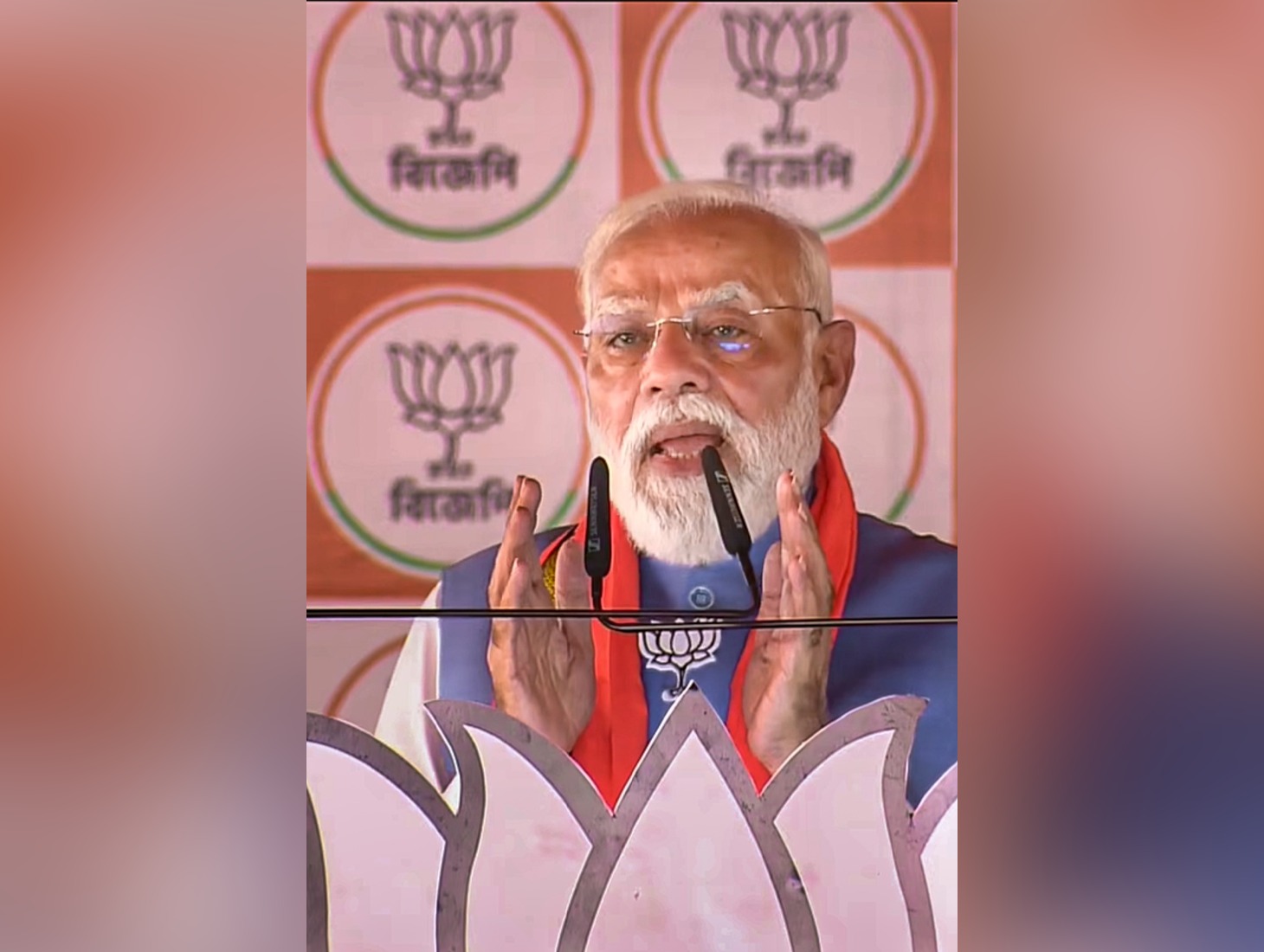
Prime Minister Narendra Modi on Saturday promised to introduce a Uniform Civil Code in West Bengal if his party comes to power, framing it as a step to end what he described as “appeasement politics”. Speaking at a rally in Jangipur, the prime minister struck a combative tone, presenting the election as a decisive moment for the state’s future. He said his party’s manifesto—unveiled by Amit Shah—offered a roadmap to change governance in the state.
For many in the crowd, the message was direct and urgent.Modi linked the proposed Uniform Civil Code to national security and fairness, arguing it would bring an end to what he called long-standing vote-bank politics.
Turning his focus to the ruling All India Trinamool Congress (TMC), he accused it of failing to uphold its earlier promises and of shielding wrongdoing. He referred to public anger over the RG Kar rape and murder case, saying people had not forgotten the incident.
He also criticised the party’s shift away from its original slogan of “Maa-Mati-Manush”, claiming it now relied on what he described as “infiltrator support”—an allegation the TMC has repeatedly denied.
Modi framed the election as more than a political contest. “This is about preserving the identity of West Bengal,” he told supporters, alleging rapid demographic changes in parts of the state.
The Prime Minister also raised the issue of corruption and warned that those involved in wrongdoing would face action if his party formed the government. He accused the TMC of continuing practices associated with previous administrations, including “cut and commission” politics.
Referring to recent Ram Navami processions, he contrasted celebrations elsewhere in India with reports of unrest in West Bengal, blaming the state government for failing to maintain order—an accusation it has disputed. He further alleged that misleading, AI-generated content was being circulated ahead of the polls, urging voters to remain cautious.
Amid the sharp political exchanges, Modi also raised concerns about local livelihoods, saying silk farmers in Murshidabad had suffered due to what he described as government neglect.
As campaigning intensifies, voters across the state are weighing competing claims—balancing promises of change with concerns over governance, identity and everyday livelihoods.