






New Delhi, March 25
State-run oil companies on Wednesday stated that there is no shortage of petrol, diesel, or LPG in the country, urging people not to trust rumours circulating on social media or engage in panic buying.
Indian Oil Corporation (IOC), the country’s largest oil firm, said there is no shortage of petrol or diesel, adding that its outlets are well-stocked and fully functional.
It warned that rumours could cause unnecessary anxiety and disrupt normal supply patterns, advising citizens to avoid panic buying and depend only on verified information.
Bharat Petroleum Corporation Ltd (BPCL) dismissed reports of fuel shortages in certain regions as completely baseless, asserting that there is no shortage of fuel across the country.
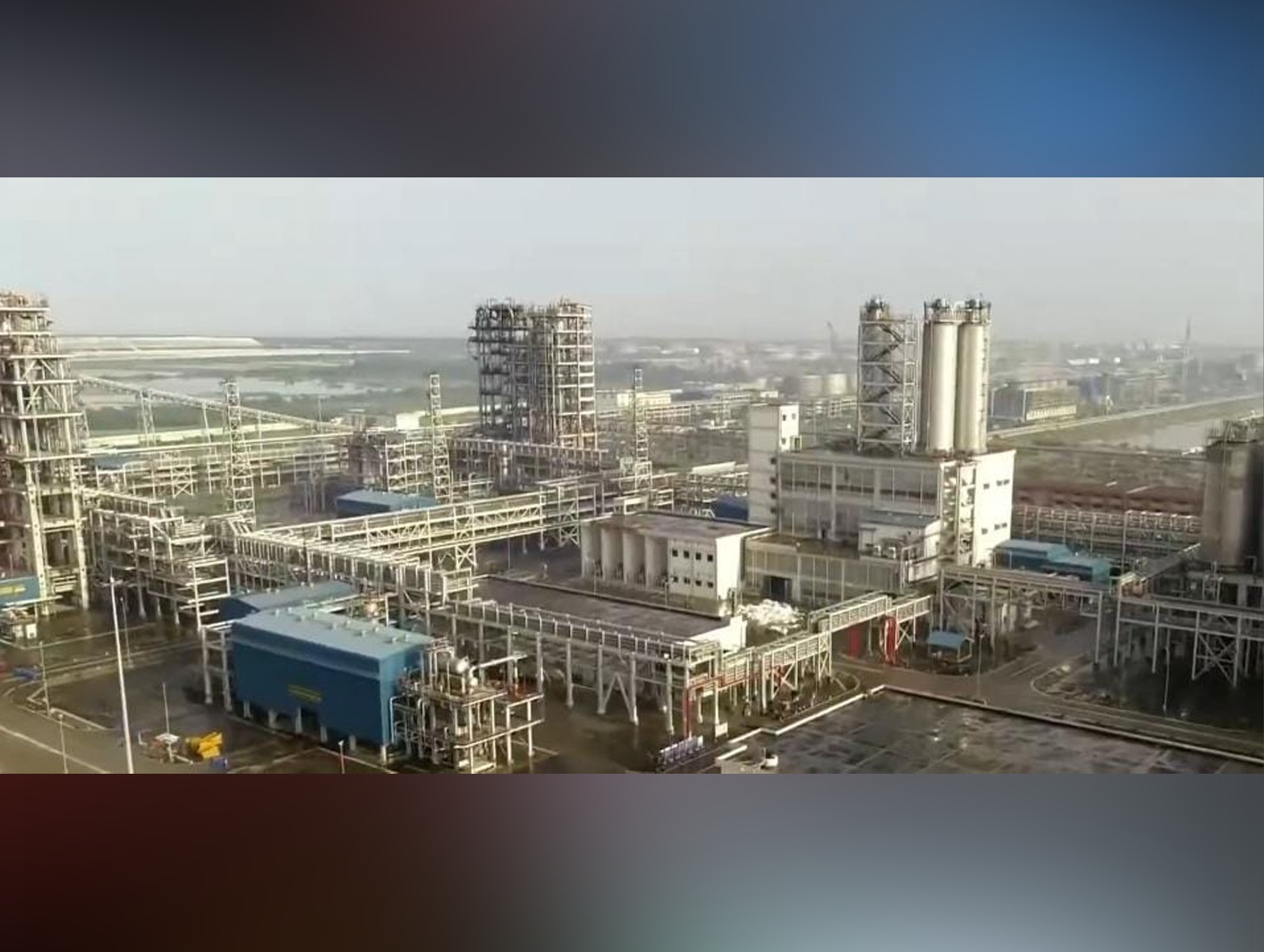
The company noted that India is a net exporter of petrol and diesel and has sufficient reserves of crude oil, petrol, diesel, and ATF, with supply chains operating smoothly without any disruption.
It added that operations remain fully functional and it is committed to ensuring uninterrupted fuel supply.
Hindustan Petroleum Corporation Ltd (HPCL) also stated that there is no shortage of petrol, diesel, or LPG nationwide, with supplies stable and stock levels adequate.
It advised customers not to be influenced by rumours or resort to panic buying, and to maintain normal consumption patterns, while reaffirming its commitment to providing a seamless and uninterrupted fuel supply across its network.
Although the conflict in West Asia has disrupted supply chains of crude oil, LNG, and LPG, India has managed to secure sufficient crude oil supplies from regions such as West Africa, Latin America, and the United States due to its diversified sourcing strategy.
The disruption in liquefied natural gas (LNG), caused by damage to facilities of India’s largest supplier in Qatar during the conflict, has led to prioritising supplies for domestic users and CNG, while some reduction has been implemented for industrial users like fertiliser plants.
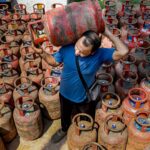
LPG has been the most affected due to the conflict, as the country depends on imports to meet around 60 per cent of its demand. A significant portion of these imports comes from Gulf nations, where supplies have been impacted. This has led the government to prioritise LPG distribution for household use and reduce supply to commercial establishments such as hotels and restaurants by at least half.otels and restaurants by at least half.