








The North News
New Delhi, November 21
The Centre governmnet has implemented four major Labour Codes aimed at overhauling and modernising the country’s labour regulations. The Codes on Wages (2019), Industrial Relations (2020), Social Security (2020), and Occupational Safety, Health and Working Conditions (2020) have come into effect from November 21, replacing and rationalising 29 existing labour laws, , the government announced on Friday.
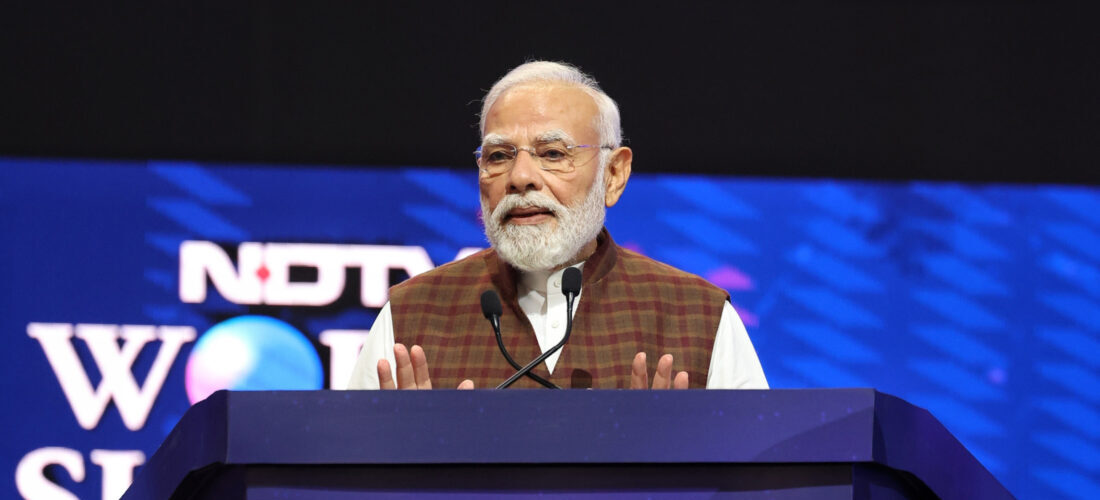
The government says the move marks one of the most significant labour reforms since Independence, designed to simplify compliance, expand social security and align India’s workforce with contemporary global standards. Prime Minister Narendra Modi said the reforms would “empower workers” and promote the “Ease of Doing Business”.
The previous labour framework, much of it dating from the 1930s to 1950s, had become fragmented and outdated, with provisions spread across multiple central laws. Officials say the new Codes address long-standing challenges by consolidating legislation and introducing clearer, more modern rules. The reforms bring sweeping changes across sectors, promising benefits such as equal pay for fixed-term employees, social security for gig and platform workers, expanded protections for women, enhanced safety standards, guaranteed minimum wages and stricter timelines for wage payments. Workers in industries ranging from textiles and plantations to IT, mining, ports and digital media are set to see improved safeguards, workplace conditions and access to welfare schemes.
The Codes also mandate universal appointment letters, annual health check-ups for several categories of workers, and gender-neutral protections that include provisions for transgender workers. They allow women to work at night with safety measures in place and require employers to ensure facilities like drinking water, rest areas, canteens and medical care.
For employers, the consolidation introduces single registrations, simplified compliance systems, and faster dispute resolution through industrial tribunals. A new inspector-cum-facilitator system will shift enforcement towards guidance and support.
The government says the reforms will strengthen India’s social-security net, which has grown from covering 19% of workers in 2015 to over 64% in 2025. The Codes aim to make benefits portable across states, supporting migrant, gig and unorganised-sector workers.
During the transition period, provisions of existing labour laws will remain in force until corresponding rules and schemes under the Codes are finalised.
Officials say the overhaul is intended to help India build a “future-ready workforce”, boost employment, and reinforce its goal of becoming a more competitive and resilient economy.
Benefits of Labour Reforms Across Key Sectors:
1. Fixed-Term Employees (FTE):
- FTEs to receive all benefits equal to permanent workers, including leave, medical, and social security.
- Gratuity eligibility after just one year, instead of five.
- Equal wages as permanent staff, increasing income and protection.
- Promotes direct hiring and reduces excessive contractualisation.
2. Gig & Platform Workers:
- ‘Gig work’, ‘Platform work’, and ‘Aggregators’ have been defined for the first time.
- Aggregators must contribute 1–2% of the annual turnover, capped at 5% of the amount paid/payable to gig and platform workers.
- Aadhaar-linked Universal Account Number will make welfare benefits easy to access, fully portable, and available across states, regardless of migration.
3. Contract Workers:
- Fixed-term employees (FTE) will increase employability and ensure social security, legal protection like benefits equal to permanent employees.
- Fixed-term employees will become eligible for gratuity after one year of continuous service.
- Principal employer will provide health benefits and social security benefits to contract workers.
● Workers to get free annual health check-up.
4. Women Workers:
- Gender discrimination legally prohibited.
- Equal pay for equal work ensured.
- Women are permitted to work night shifts and in all types of work (including underground mining and heavy machinery), subject to their consent and mandatory safety measures.
- Mandatory women’s representation in grievance redressal committees
- Provision to add parents-in-law in Family Definition of Female employees, expanding dependent coverage and ensuring inclusivity.
5. Youth Workers:
- Minimum wage is guaranteed for all workers.
- All workers to get appointment letters, – promoting social security, employment history and formal employment.
- Worker exploitation by employers is prohibited—payment of wages during leave has been made mandatory.
- To ensure a decent standard of living, workers will receive wages as per the floor wage determined by the Central Government.
6. MSME Workers:
- All MSME workers covered under the Social Security Code, 2020, eligibility based on employee count.
- Minimum wage guaranteed for all workers.
- Workers will have access to facilities such as canteens, drinking water, and rest areas.
- Provisions for standard working hours, double overtime wages, and paid leave.
- Timely wage payment ensured.
7. Beedi & Cigar Workers:
- Minimum wages guaranteed for all.
- Working hours capped at 8 -12 hours per day, 48 hours per week has been capped.
- Overtime Work beyond prescribed hours, to be consent based and pay at least double the normal wage rate.
- Timely payment of wages ensured.
- Workers eligible for Bonus after completing 30 days of work in a year.
8. Plantation Workers:
- Plantation workers are now brought under the OSHWC Code and the Social Security Code.
- Labour Codes apply to plantations with more than 10 workers or 5 or more hectares.
- Mandatory safety training on handling, storing, and using chemicals.
- Protective equipment mandatory to prevent accidents and chemical exposure.
- Workers and their families to get full ESI medical facilities; Education facilities for their children are also guaranteed.
9. Audio-Visual & Digital Media Workers:
- Digital and audio-visual workers, including journalists in electronic media, dubbing artists, and stunt persons will now receive full benefits.
- Mandatory appointment letter for all workers – clearly stating their designation, wages, and social security entitlements.
- Timely payment of wages ensured.
- Overtime Work beyond prescribed hours, to be consent based and pay at least double the normal wage rate.
10. Mine Workers:
- The Social Security Code treats certain commuting accidents as employment-related, subject to conditions of time, and place of employment.
- Central Government notified standards to standardize workplace occupational safety and health conditions.
- Health safety for all workers will be ensured. Free annual health check-up will be provided.
- Limit on working hours set to 8 to 12 hours per day, 48 hours per week to ensure health and work-life balance.
11. Hazardous Industry Workers:
- All workers will receive free annual health check-ups.
- Central Government will frame national standards for better safety of workers.
- Women can work in all establishments, including underground mining, heavy machinery, and hazardous jobs, ensuring equal job opportunities for all.
- Mandatory safety committee at each site for on-site safety monitoring, and safe handling of hazardous chemicals ensured.
12. Textile Workers:
- All Migrant Workers (direct, contractor-based and self-migrated) to get Equal wages, welfare benefits and PDS portability benefits.
- Workers can raise claims for upto 3 years for settlement of pending dues, facilitating flexible and easy resolution.
- Provision for double wages for workers for overtime work.
13. IT & ITES Workers:
- Release of Salary mandatory by the 7th of every month. Transparency and trust ensured.
- Equal pay for equal work made mandatory, women’s participation is strengthened.
- Facility for women to work night shifts in all establishments – women to get opportunity to earn higher wages.
- Timely resolution of harassment, discrimination, and wage related disputes.
- Guarantee of social security benefits through fixed-term employment and mandatory appointment letters.
14. Dock Workers:
- All Dock workers to get formal recognition, Legal Protection.
- Mandatory appointment letters to guarantee social security benefits.
- Provident fund, pension, and insurance benefits ensured for all, whether contract or temporary dock workers.
- Employer-funded annual health check-ups mandatory.
- Dock workers to get mandatory medical facilities, first aid, sanitary and washing areas, etc., to ensure decent work conditions and safety.
15. Export Sector Workers:
- Export sector fixed term workers to receive gratuity, provident fund (PF), and other social security benefits.
- Every worker to have the option of availing annual leaves after 180 days of work in a year.
- Every worker to get right to timely wage payment and no unauthorized wage deductions and no wage ceiling restrictions.
● Women allowed to work in night shifts with consent, ensuring opportunity to earn higher income.
● Safety and welfare measures include mandatory written consent, double wages for overtime, safe transportation, CCTV surveillance, and security arrangements.
Beyond the major welfare initiatives already highlighted, the Labour Codes introduce several further reforms that strengthen worker protection and simplify compliance for employers:
- National Floor Wage to ensure no worker receives a wage below the minimum living standard.
- Gender-neutral pay and job opportunities, explicitly prohibiting discrimination—including against transgender persons.
- Inspector-cum-Facilitator system, shifting enforcement towards guidance, awareness and compliance support rather than punitive action.
- Faster and predictable dispute resolution, with two-member Industrial Tribunals and the option to approach tribunals directly after conciliation.
- Single registration, single licence and single return across safety and working-conditions requirements, replacing multiple overlapping filings.
- National OSH Board to set harmonised safety and health standards across sectors.
- Mandatory safety committees in establishments with 500+ workers, improving workplace accountability.
- Higher factory applicability limits, easing regulatory burden for small units while retaining full safeguards for workers.
In line with the wide-ranging consultations carried out during the drafting of the Labour Codes, the Government will likewise engage the public and stakeholders in the framing of the corresponding rules, regulations, schemes, etc. under the Codes. During transition, the relevant provisions of the existing labour Acts and their respective rules, regulations, notifications, standards, schemes, etc. will continue to remain in force.
Over the past decade, India has expanded social-security coverage dramatically, rising from about 19% of the workforce in 2015 to more than 64% in 2025, ensuring that protection and dignity reach workers across the country, and also earning recognition in the global arena for this milestone achievement in social protection. The implementation of the four Labour Codes marks the next major step in this trajectory, further widening the social-security net and embedding portability of benefits across states and sectors. With expanded social security, stronger protections and nationwide portability of entitlements, the Codes place workers, especially women, youth, unorganised, gig and migrant workers, firmly at the centre of labour governance. By reducing compliance burden and enabling flexible, modern work arrangements, the Codes boost employment, skilling and industry growth, reaffirming the Government’s commitment to a pro-worker, pro-women, pro-youth and pro-employment labour ecosystem.