








The North News
Chandigarh, December 11
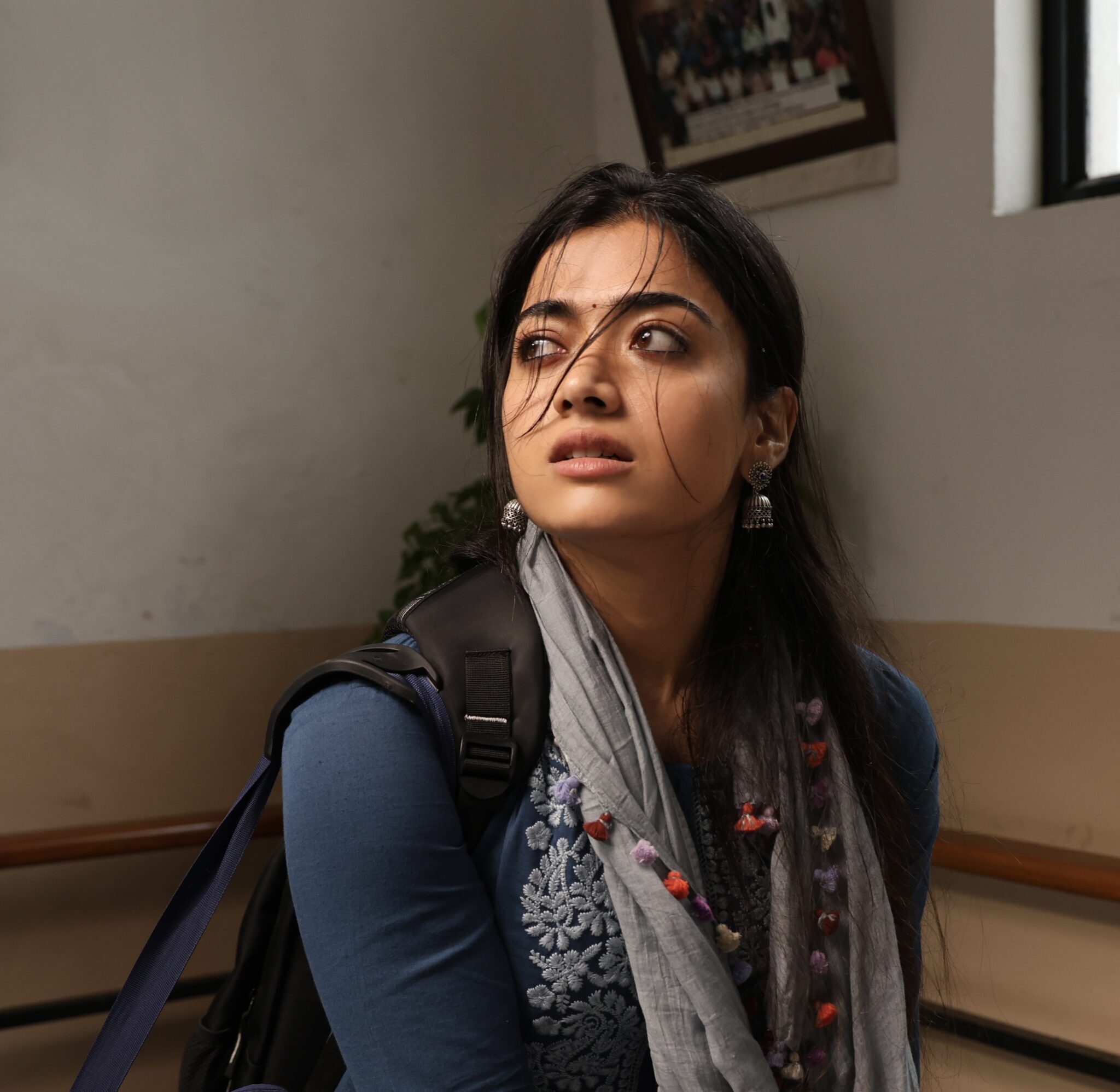
Rashmika Mandanna has long been described as the woman with mrignayani eyes — eyes so expressive they seem to pull you into their orbit — and a smile that has made her one of the most magnetic presences in Indian cinema. For many of her young fans, she is not merely an actor but a phenomenon: a performer whose charm, emotional intelligence and openness have shaped her public identity as much as her films have.
Her latest role in The Girlfriend has only deepened that impression. The film, which looks unflinchingly at controlling relationships, toxic masculinity, and a woman’s struggle to reclaim her own worth, has been praised for its honesty. But behind the glamour and adoration is a woman changed by the technology shaping our era. Rashmika’s rising influence has collided with a darker frontier: the misuse of artificial intelligence to produce fake and sexually explicit content of women.
Her own deepfake ordeal in 2023 — a manipulated video that went viral and depicted her in an indecent scenario — left a mark she now speaks about with unusual clarity and firmness. The episode was not just humiliating; it became a turning point.
In a recent social-media post, she wrote:
“When truth can be manufactured, discernment becomes our greatest defence.”
She called AI a tool with enormous potential but warned that its weaponisation to create vulgarity, target women and distort reality reflects not technological progress but “a deep moral decline in certain people”. Her message was not a lament; it was a demand for accountability. “If people cannot act like humans, then strict and unforgiving punishment must be served to them,” she urged.
Rashmika’s critique lands with unusual force precisely because of who she is — a youth icon navigating fame in an era when the line between the real and the fabricated is dangerously thin. Her fandom grew exponentially after Animal, where her onscreen chemistry with Ranbir Kapoor ignited conversation and controversy in equal measure. The boldness of that performance placed her under an even brighter spotlight, one that magnified both admiration and the abuse women in public life routinely face.
Her warning about the misuse of AI is not merely a celebrity’s plea for personal safety. It taps into a broader unease: that the digital world is no longer anchored in truth. “The internet is no longer a mirror of reality,” she wrote. “It is a canvas where anything can be fabricated.”
For an actor whose allure is rooted in authenticity — in that unforced grace, those expressive eyes that audiences trust — the idea that her image can be distorted at will becomes more than a personal violation. It becomes a cultural reckoning.
Rashmika’s message, ultimately, is a call for a more responsible technological future. She remains a symbol of youth, beauty and cinematic charisma — but also a reminder that even the most luminous public figures can be harmed when technology slips into the wrong hands.
And perhaps that is what makes her voice important in this moment: a performer adored for her magnetic presence now urging her audience to protect not just her image, but the very idea of truth itself.