









By Jon Gambrell and David Rising
Dubai, March 27
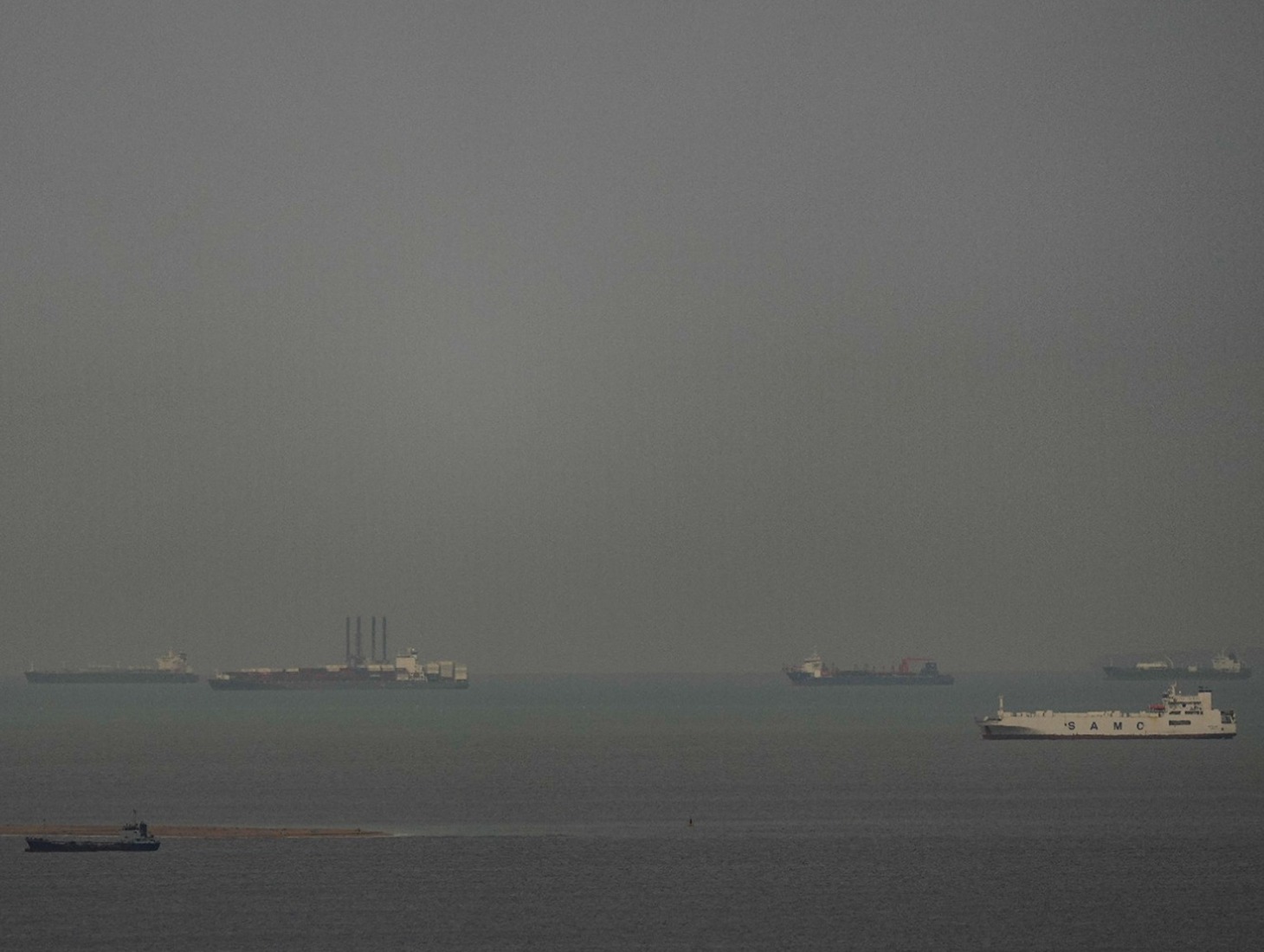
Iran has agreed to allow humanitarian and agricultural shipments through the Strait of Hormuz, the Iranian UN ambassador in Geneva said Friday, amid ongoing Israeli strikes on its nuclear facilities. This marks the first breakthrough at the strategic waterway after a month of war, with global concern over food security due to blocked fertilizer supplies.
Earlier, Israel attacked Iran’s Shahid Khondab Heavy Water Complex in Arak and the Ardakan yellowcake plant in Yazd Province. No casualties were reported, but Iran warned of retaliation. Israel described the strikes as a major blow to Iran’s nuclear program.
US President Donald Trump claimed diplomatic talks were “going well,” while Tehran said no formal negotiations had occurred. The US proposed a 15-point ceasefire plan, rejected by Iran, which offered a five-point counter including reparations and sovereignty over the strait. Trump warned of action against Iran’s energy infrastructure if the strait isn’t reopened by April 6.
The conflict has caused market disruptions: Brent crude rose to $104.81 per barrel, US crude to $98.61.
Regional violence continues, with missile and drone attacks reported in Lebanon, Saudi Arabia, and Kuwait, including damage to Chinese-affiliated infrastructure. Israel continues strikes on Iranian weapons facilities, and US troops, including Marines and paratroopers, have been deployed to the region.
The UN reported 82,000 damaged civilian buildings in Iran, including hospitals and homes of 180,000 people. Humanitarian groups warn of a potential refugee crisis if the conflict continues.
Diplomatic efforts persist, with Pakistan, Turkey, and other nations seeking direct US-Iran talks, while G7 ministers call for an immediate halt to attacks on civilians and infrastructure.