







New Delhi, March 25
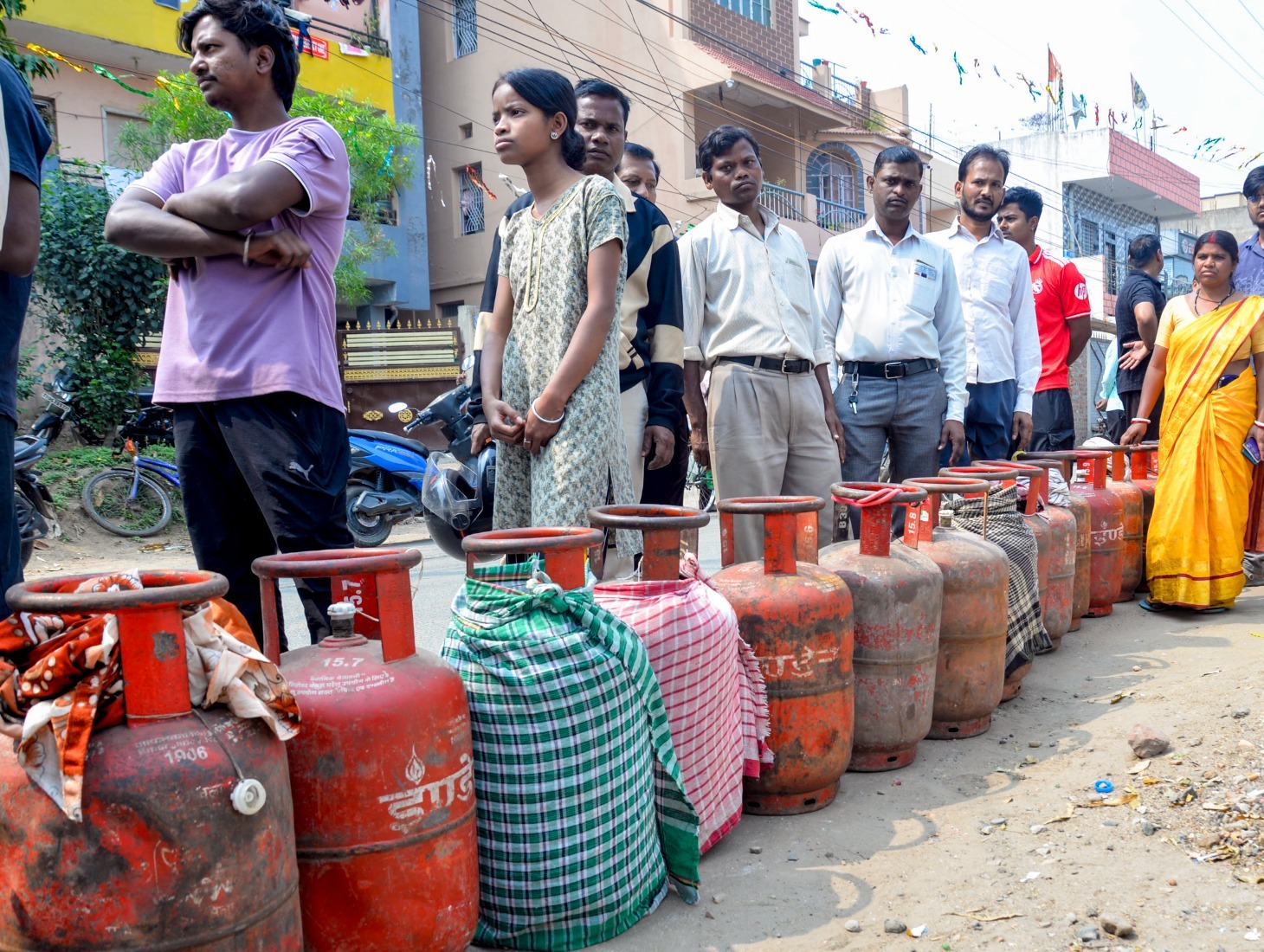
The Centre government has made it mandatory for households to shift from LPG cylinders to piped natural gas (PNG) in areas where pipeline connectivity is available, warning that cooking gas supply will be discontinued after three months if consumers fail to switch.
The new rule is part of the Natural Gas and Petroleum Products Distribution (Through Laying, Building, Operation and Expansion of Pipelines and Other Facilities) Order, 2026, notified by the Ministry of Petroleum and Natural Gas on 24 March.
Under the order, LPG supply to a household address will stop three months after an authorised entity informs the consumer that PNG is available, unless it is technically impossible to provide the piped connection.
The government said the move is intended to speed up the expansion of gas pipeline networks, reduce dependence on a single cooking fuel and improve energy security as global supply chains remain under pressure.
India is currently facing pressure on LPG availability amid disruptions linked to the war in West Asia, including damage to liquefaction facilities in the Gulf and the continued blockage of the Strait of Hormuz, which have affected supplies from key sources.
Officials say the shift to PNG could help divert LPG cylinders from urban areas with pipeline access to regions where such infrastructure is not yet available.
Unlike LPG cylinders, PNG is delivered continuously through pipelines directly to kitchen burners, removing the need for households to book and replace refills.
The order, issued under the Essential Commodities Act, also seeks to fast-track gas infrastructure by simplifying approvals and limiting the charges that public authorities can impose for right of way and other permissions.
Authorities have been directed to grant approvals within fixed timelines, failing which permission will be deemed to have been granted. They are also barred from charging more than the standardised fees set under the new framework.
In housing societies and apartment complexes, those controlling access must allow entry for pipeline installation within three working days. The order also says last-mile PNG connectivity should be provided within 48 hours, and applications for pipeline access in such areas cannot be rejected.
If housing complexes fail to allow access for pipeline installation, a notice will be issued and LPG supply may be stopped three months later.
The order also empowers designated officers with authority similar to that of a civil court to resolve disputes over land access and grant right of way where necessary.
Companies authorised to lay pipelines must begin work within four months of receiving approval or risk penalties, including the possible loss of exclusivity in the area.
The Petroleum and Natural Gas Regulatory Board (PNGRB) has been named as the nodal agency to oversee implementation, including monitoring approvals, rejections and compliance.
The government has, however, provided an exception for households where PNG cannot be provided for technical reasons. In such cases, LPG supply will continue if the authorised entity issues a no-objection certificate (NOC), though that exemption can be withdrawn if connectivity becomes possible later.
Oil Secretary Neeraj Mittal described the new order as an example of turning “a crisis into an opportunity”, saying the reforms were designed to improve ease of doing business while strengthening India’s fuel distribution system.