









North News
Chandigarh, January 6
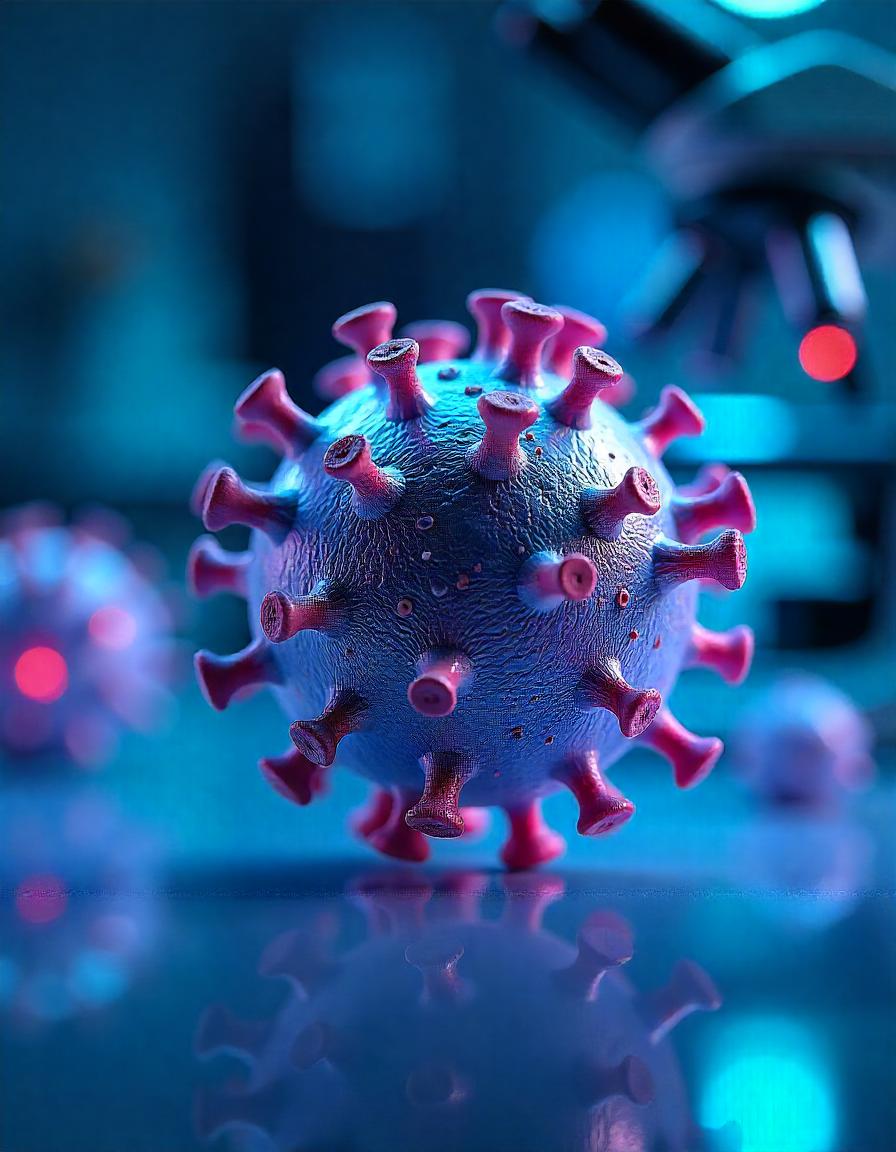
HMPV (Human Metapneumovirus) is a common respiratory virus primarily affecting young children and the elderly. It causes upper respiratory tract infections similar to a cold. Although it is not as transmissible as COVID-19, HMPV can still lead to flu-like symptoms such as cough, fever, nasal congestion, and shortness of breath. In severe cases, it can lead to bronchitis or pneumonia, particularly in vulnerable groups like young children, the elderly, and those with compromised immune systems. The Directorate of Medical Education, Karnataka, has issued an advisory titled ‘Do Not Panic, Be Aware’ following the report of two Human Metapneumovirus (HMPV) cases in Bengaluru.
Symptoms and Risk Groups
Most cases of HMPV are mild and do not require hospitalization. However, in severe cases, individuals may require additional medical attention, including oxygen therapy or IV fluids. People with existing respiratory conditions or weakened immunity are at higher risk for complications.
Transmission
The virus is spread via respiratory droplets, close personal contact, and by touching contaminated surfaces followed by touching the face.
Current Status in India
The Indian government is closely monitoring the situation. As of the latest data, no significant rise in HMPV cases has been reported across the country. Authorities are urging the public to follow recommended preventive measures.
Treatment and Care
There is no specific antiviral treatment or vaccine for HMPV. Management focuses on relieving symptoms through rest, hydration, and over-the-counter medications for pain, fever, and congestion. Severe cases may require hospitalization for oxygen therapy or intravenous fluids.
Medical Preparedness
Hospitals have been instructed to:
- Report Influenza-like Illness (ILI) and Severe Acute Respiratory Infection (SARI) cases.
- Ensure the availability of necessary medications.
- Maintain proper documentation of cases.
Health officials recommend the following precautions to minimize the risk of transmission:
- Cover your mouth and nose when coughing or sneezing.
- Wash hands frequently with soap.
- Avoid public places if symptomatic.
- Do not reuse tissue papers or handkerchiefs.
- Avoid close contact with sick individuals.
- Avoid sharing towels and linens.
- Minimize touching the eyes, nose, and mouth.
- Avoid spitting in public places.
- Wear masks in crowded areas.
The government has emphasized that there is no need to panic as the situation is being closely monitored.