





The North News
Shimla, February 16
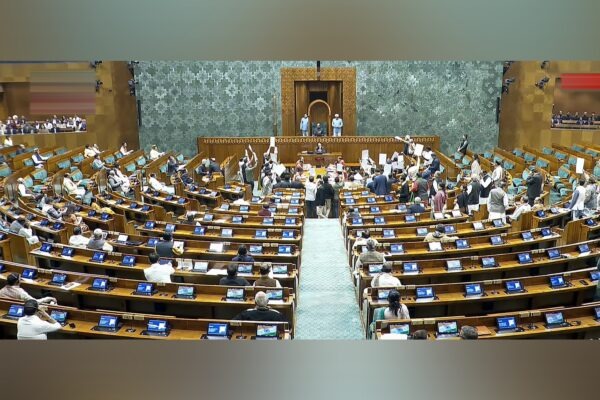
Discussion on discontinuation of revenue deficit grant and its impact on the state economy is likely to dominate the three day long budget session of Himachal Pradesh Vidhan Sabha which will commence with the Governor’s address on Monday.
Addressing media persons here on Sunday after a meeting of the press gallery committee, Himachal Pradesh Vidhan Sabha Speaker Kuldeep Singh Pathania said “so far 125 notices through questions including 111 oral (starred) and 14 (unstarred) written has been received, besides one call attention notice under Rule 62 and one for discussion of revenue deficit Grant (RDG) under Rule 102 from the government”.
At present, the first phase of the Budget session will consist of three sittings. The decision on whether the Budget session — which will be held from Monday to Wednesday — will continue or resume after a break would be taken in due course of time depending on the business schedule, the speaker said.
As it is the Budget session, government business will take priority over other matters, he added.
Questions received pertain to Indira Gandhi Pyari Behna Sukh Samman Nidhi, merger of schools, construction of roads and bridges, detailed project reports of approved roads, upgrade of colleges, schools, health institutions in the state.
Questions have also been asked on filling of vacant posts in various departments, prevention of increasing drug abuse among youth, increasing criminal cases, solar energy and transportation system.
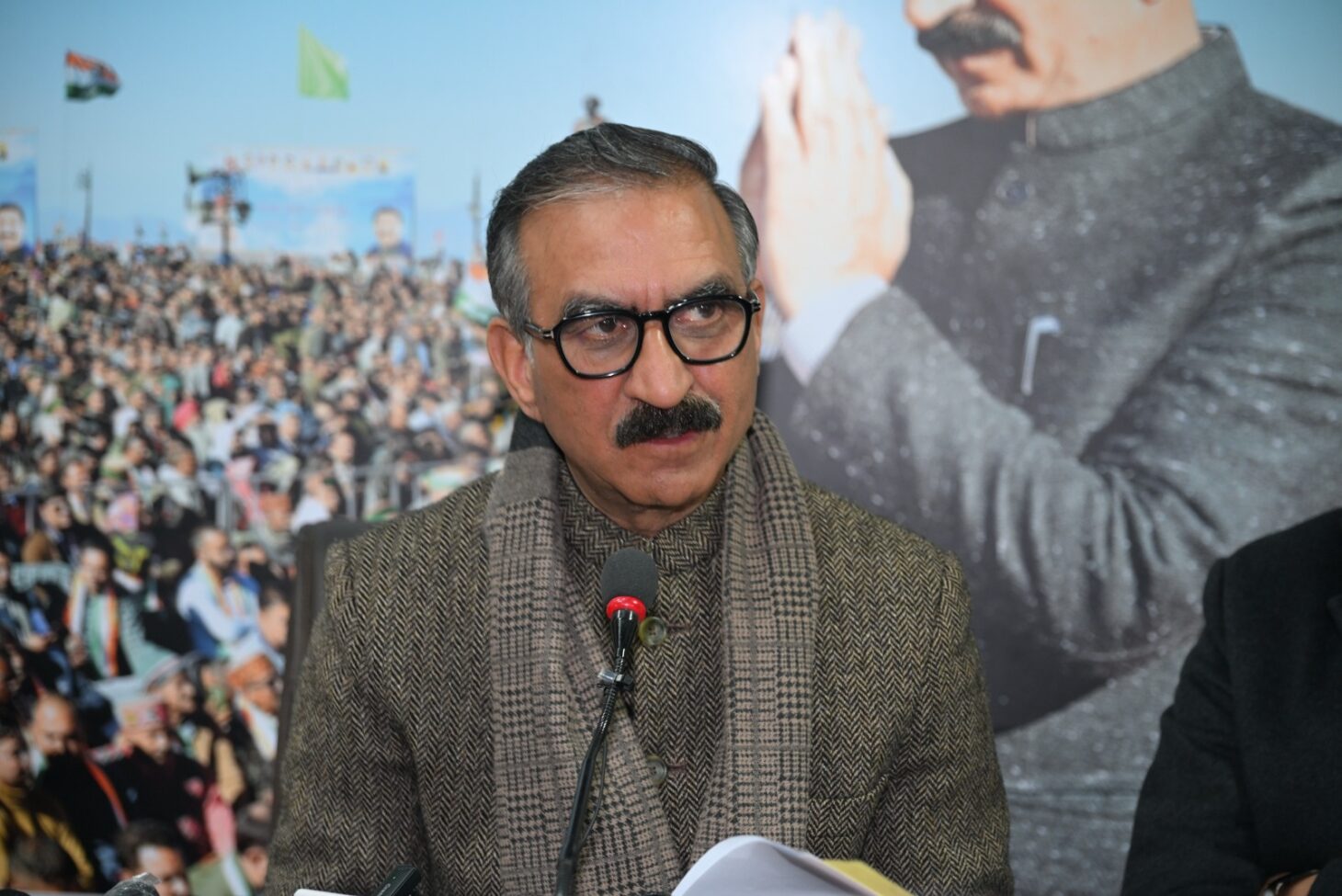
The Congress government led by Chief Minister Sukhvinder Singh Sukhu will hold discussions on the economic impact of discontinuation of the RDG as per the recommendations of the 16th Finance Commission.
The CM had earlier maintained that abolition of revenue deficit grant (RDG) would deprive the state of approximately Rs 10,000 crore annually between 2026 and 2031, significantly impacting the annual budget of Himachal Pradesh as 12.7 per cent of the state budget comes from the RDG.
The revenue of Himachal Pradesh, including the state’s resources (Rs 18,000 crore), share in central taxes (Rs 13,950 crore) and borrowings (Rs 10,000 crore) is Rs 41,950 crore while the committed expenditure is Rs 48,000 crore and there is a gap of Rs 6,050 in the state revenue and expenditure.
The leader of the opposition in the state, Jai Ram Thakur, had maintained that discontinuation of RDG was not a sudden decision but part of the structured recommendations of previous Finance Commissions, where it was clearly indicated that such grants would be reduced in phases and eventually discontinued.
A new and unusual situation has arisen following the recommendations of the 16th Finance Commission to discontinue the Revenue Deficit Grant, the speaker said and added that since the sixth Finance Commissions, the revenue deficit grants were recommended for states facing revenue shortfalls and withdrawal of the RDG.
Replying to a question about breach of privilege for alleged protocol violations by Deputy Commissioner Mandi, the speaker said that a complaint from Congress MLA Yadavindra Goma, who is also the Ayush minister has been received and the Vidhan Sabha Secretariat has written to the Chief Secretary in this regard and the reply is awaited.
Meanwhile, in view of possible protests, demonstrations, rallies, and other activities during the Assembly Session, the Assembly complex and surrounding areas have been divided into four police sectors, police said.
Beside heavy police deployment, about 75 trained commandos from the Quick Reaction Team (QRT), Special Security Unit (SSU) and other special forces will be deployed to various locations. A total of 872 police personnel and Home Guard personnel will also be deployed in plain clothes to gather intelligence and further strengthen security.
In addition to the traffic police, 50 police personnel and 30 Home Guard personnel have been deployed under the supervision to maintain smooth traffic flow in Shimla city and the CCTV cameras have been fully activated. Moreover, digital videography, photography, and drone surveillance will also be used if necessary.