





Mumbai, February 17
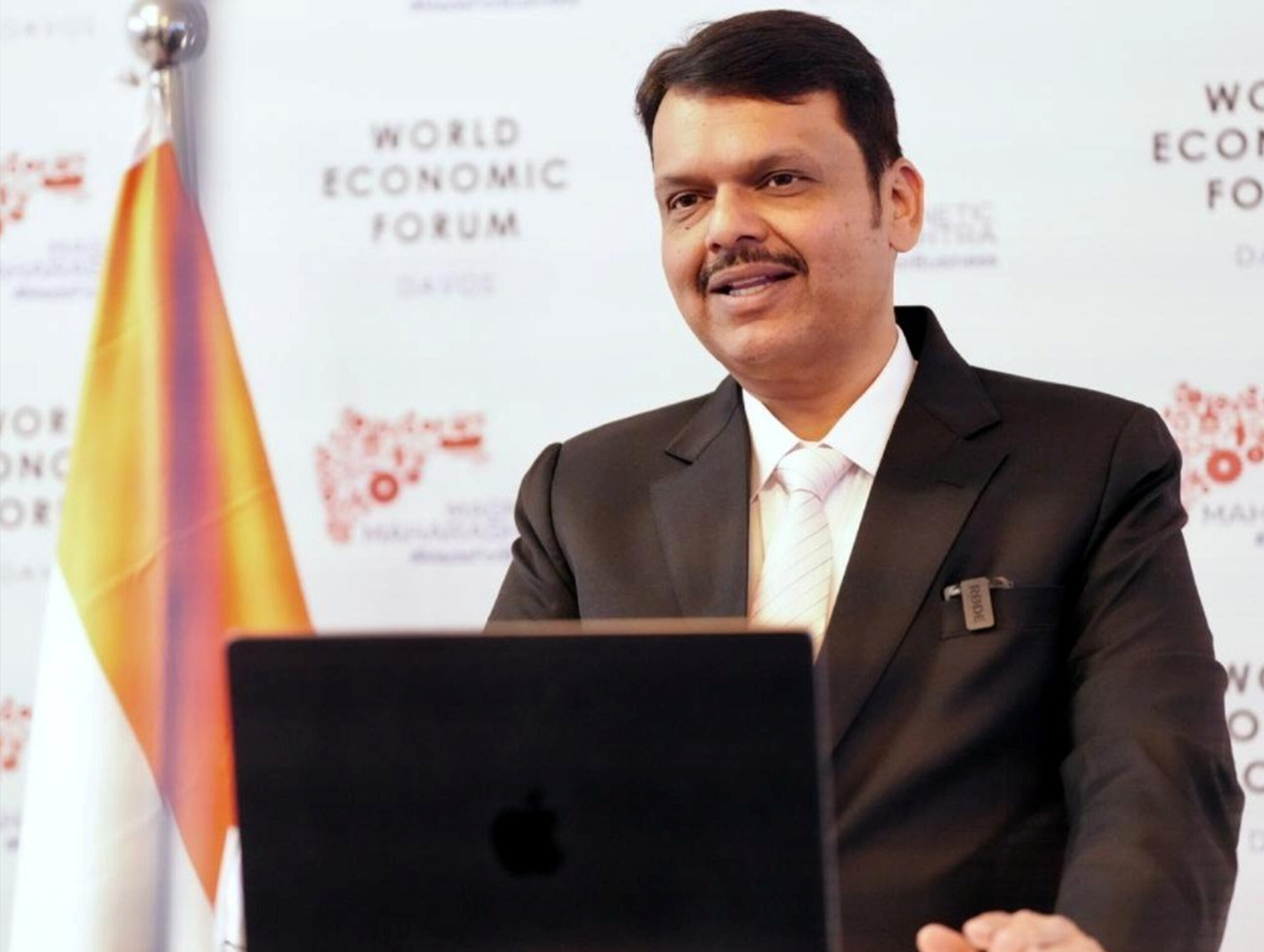
Maharashtra Chief Minister Devendra Fadnavis on Tuesday described climate change as an “urgent governance challenge”, warning that coastal cities like Mumbai are now facing the direct impact of extreme weather conditions.
Speaking at the inauguration of Mumbai Climate Week (MCW), a citizen-led climate conference, Fadnavis called for stronger implementation, investment and global partnerships to tackle climate change.
The chief minister inaugurated MCW, a three-day programme, which will include a conference, workshops, case studies, and discussions.
He highlighted that coastal cities like Mumbai are facing direct impacts of climate change, including extreme rainfall, heatwaves and unseasonal showers that disrupt normal life.
Climate change has become an urgent governance challenge that requires immediate and sustained action, he added.
India is moving rapidly towards renewable energy while striking a balance between economic growth and environmental responsibility, the chief minister said.
He said that Maharashtra is working towards achieving more than 50 per cent share of green energy by 2030.
The state is focusing on clean hydrogen, electric mobility, biofuels and sustainable infrastructure, he said, adding that climate action is not merely about compliance but also an opportunity for investment, competitiveness and job creation.
Fadnavis pointed out that the government is implementing large-scale initiatives in renewable energy, e-mobility and climate-smart urban planning.
He stressed the need to strengthen flood control systems, develop data-driven weather forecasting and build disaster-resilient infrastructure.
In rural areas, the chief minister said the government is prioritising climate-resilient agriculture and efficient water management practices.
He also emphasised the need for international partnerships and climate finance to support large-scale climate investments, and added that Mumbai has the potential to become a global hub for climate action.
The chief minister said that developing countries should not be forced to choose between economic development and environmental protection, and emphasised the importance of sustainable lifestyles, responsible use of resources and behavioural change.
Climate action must go beyond declarations and be reflected in implementation on the ground, he asserted.
He said the MCW should evolve into a platform for concrete action, investment-ready projects and global partnerships rather than just discussions.