





By Mohit Saini
New Delhi, February 20
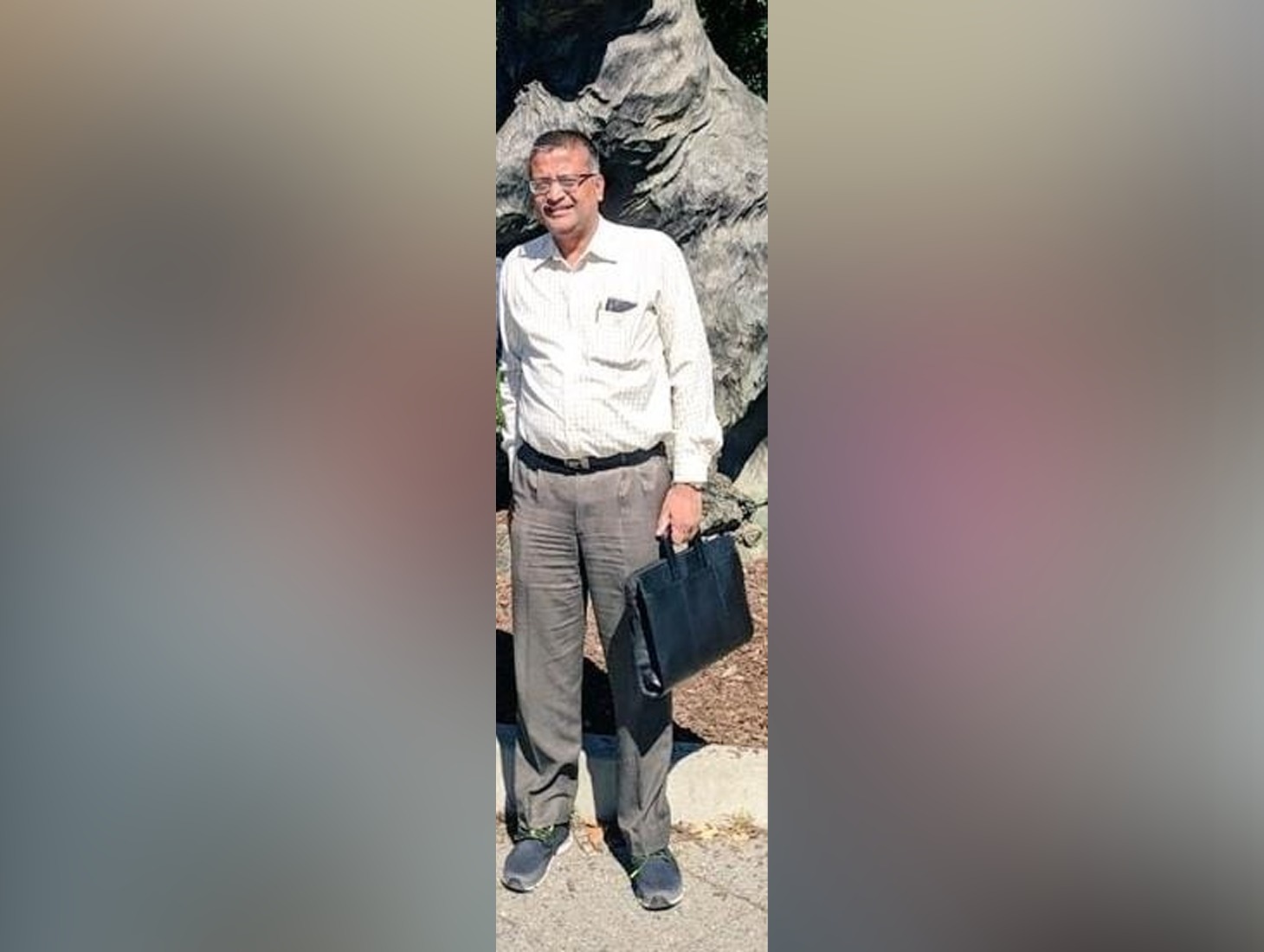
Issuing a show-cause notice for “submitting incorrect facts” and “causing obstruction in the dissemination of information” under the Right to Information (RTI) Act, the Central Information Commission (CIC) has pulled up the Chandigarh Police in a case stemming from an FIR over an anonymous, allegedly-threatening letter sent to senior IAS officer Ashok Khemka in 2022.
The case relates to Khemka, who has since retired but was serving as the additional chief secretary, Haryana, at the time of the incident. He had approached police after receiving the speed-post letter addressed to him by name, purportedly signed by a Haryana government employee, but later found to be forged.
According to the FIR accessed by PTI, the letter — booked from the Sector-17 Chandigarh GPO — contained fake allegations and threats, and was intended to trigger “false and vexatious proceedings” against Khemka.
Khemka told police that the CCTV footage from the post office showed an unidentified man booking the letter and that still images were extracted from the footage to help identify the suspect.
In his complaint, Khemka has said the letter was “completely false, scurrilous, concocted and threatening”, adding that it caused “unnecessary alarm and panic regarding my safety and the safety of my family members”.
In the RTI application, Khemka had sought details, such as the identity of the person who booked the letter, the investigation records and the police’s follow-up action.
The Chandigarh Police denied the information, citing section 8(1)(h) of the RTI Act and claiming that the information would “impede the process of investigation or apprehension or prosecution of offenders”.
In its written submission to the CIC dated January 21, the Chandigarh Police stated that the untraced report filed by it was accepted by the chief judicial magistrate (CJM).
However, in a recent order, Chief Information Commissioner Raj Kumar Goyal noted that police had failed to explain how disclosure would actually impede the probe and also made an incorrect submission by stating that the case was closed as “untraced”.
The commission pointed out that according to the court order submitted by Khemka, the CJM had rejected the untraced report and ordered further investigation, observing: “The untraced report is hereby rejected and file is sent back to the concerned investigating officer for further investigation of the case and to submit the final report at the earliest.”
The court had also recorded that no effort was made to circulate the suspect’s photograph despite it being available in the case file, raising questions over the seriousness of the investigation.
Taking an adverse note of these lapses, the CIC directed the CPIO-cum-deputy superintendent of police, Central Division, Chandigarh, to issue a reasoned revised reply to the RTI application and “explain why penalty should not be imposed on him for violation of the provisions of the RTI Act and submitting incorrect facts before the commission, thereby causing obstruction in the dissemination of information”.