









The North News
New Delhi, December 12
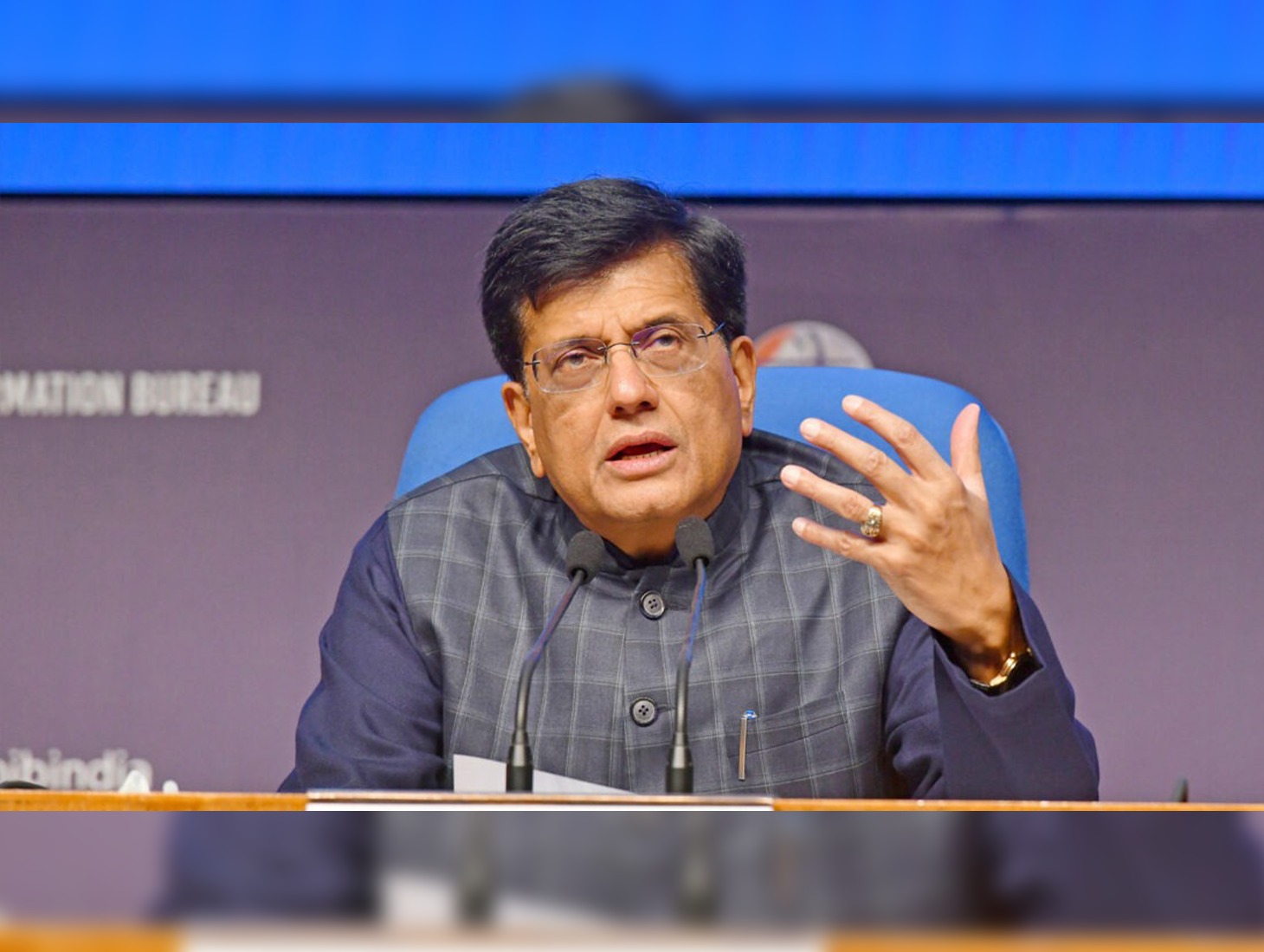
The Centre government has set out its expanding legal and regulatory framework for tackling fake news, misinformation and AI-generated deepfakes, warning that such content threatens democratic processes and public order. Responding to questions in the Rajya Sabha, Information and Broadcasting Minister Ashwini Vaishnaw said the state remained committed to safeguarding free speech under Article 19(1) of the Constitution, but must also confront the rapid spread of deliberately false or misleading material across television, print and digital platforms.
Fake news, he said, was widely understood as information presented as fact despite being knowingly false or deceptive. While the phenomenon is not new, the scale and speed at which such content travels today — particularly online — has prompted the government to strengthen oversight mechanisms.
Television channels operate under the Programme Code of the Cable Television Networks (Regulation) Act, 1995, which bars content that is obscene, defamatory or deliberately false. The system includes a three-tier grievance process: self-regulation by broadcasters, scrutiny by their self-regulatory bodies, and government oversight as the final layer. Violations can result in warnings, advisories, mandatory apology scrolls or temporary orders to take channels off air.
For newspapers and magazines, the Press Council of India enforces the Norms of Journalistic Conduct, which caution against publishing defamatory or misleading content. The PCI can investigate complaints, issue warnings or censure publications and editors deemed to have breached ethical standards.
Digital news publishers are governed by a Code of Ethics established under the 2021 IT Rules. Intermediaries — including social media platforms — must act to prevent users from sharing content that is patently false, misleading or defamatory. A mirrored three-tier complaint system exists here too, with platforms required to appoint grievance officers to respond within fixed timelines.
The government may also issue blocking orders under Section 69A of the IT Act in matters linked to national security, public order or incitement.
A Fact Check Unit (FCU) under the Press Information Bureau works specifically to verify claims relating to the central government. The FCU cross-checks information with official sources and publishes corrections online.
Vaishnaw said the government’s aim was to “strengthen institutions and societal trust” while preserving creative freedom, arguing that the state’s approach focuses not on censorship but on mitigating harm caused by misinformation and manipulated content.