





New Delhi, April 7
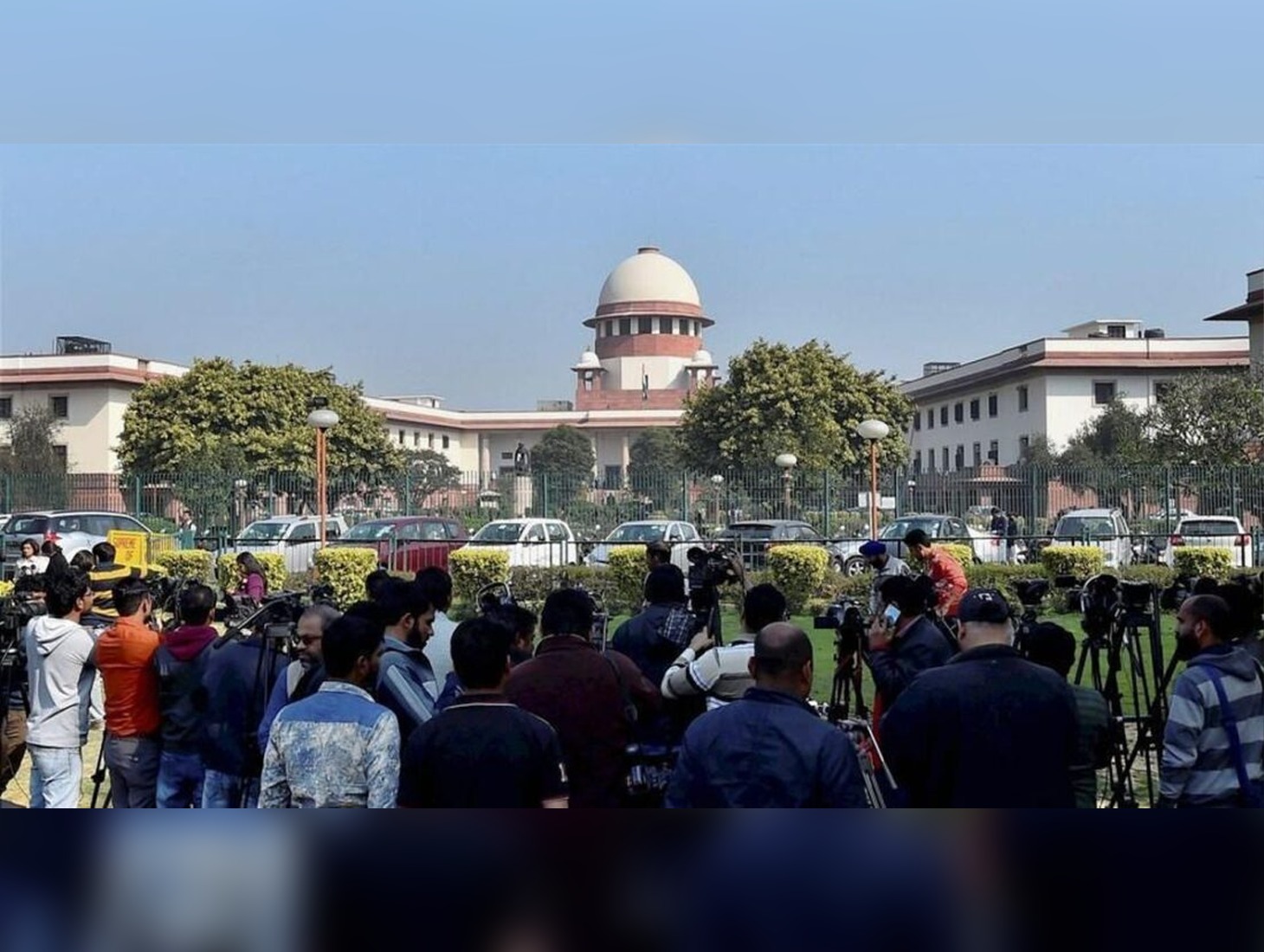
The Centre has told the Supreme Court that all pending issues linked to the installation of CCTVs in police stations across India will be addressed within the next two weeks, as the court pressed for faster and more uniform implementation. Appearing before a bench of Justices Vikram Nath and Sandeep Mehta on Tuesday, Attorney General R Venkataramani said he was personally reviewing the matter and that discussions were already underway to resolve the outstanding concerns.
The hearing came as the apex court continued to examine a batch of pleas, including a suo motu case, over the lack of functional CCTV systems in police stations.
The Union home secretary was also present in court, following an April 6 direction from the Supreme Court asking him to assist in the implementation of the CCTV installation scheme.
During the hearing, the bench made it clear that it wanted visible progress. Justice Vikram Nath noted that the court had earlier asked the amicus curiae to hold consultations with all states and Union Territories, but said the Centre had only been represented by an under secretary in those discussions.
Questioning the level of engagement, the bench remarked sharply on whether such representation was appropriate in a matter of this importance.
In response, the Attorney General said he would hold a series of meetings with the amicus curiae and senior officials, including the Home Secretary, to ensure coordination.
The court also pointed to what it described as an effective system already in place in Kerala, saying the state had developed a strong software platform and implemented it fully.
The bench observed that instead of each state building separate software and spending additional time and money, the Centre could consider encouraging a common model for nationwide use.
According to the amicus curiae, Kerala, Madhya Pradesh and Rajasthan have already created centralised dashboards to monitor CCTV systems.
The bench suggested that the Centre could issue guidelines to states and UTs to adopt a uniform pattern, taking inspiration from the Kerala framework.
Recording the Attorney General’s assurance, the Supreme Court said that, based on instructions, he had undertaken to ensure that all issues would be sorted out within two weeks through regular meetings with the amicus curiae and relevant officers.
The matter has now been listed for hearing again on April 28.
Senior advocate Siddhartha Dave, assisting the court as amicus curiae, had earlier informed the bench that most states had already installed CCTV cameras and were now working on centralised dashboards.
The case forms part of a longer judicial push to improve accountability inside police stations.
In 2018, the apex court ordered the installation of CCTV cameras in police stations to help curb human rights abuses.
In December 2020, it expanded those directions, asking the Centre to install CCTV cameras and recording systems at the offices of investigating agencies such as the CBI, ED and NIA.
The court had also laid down detailed requirements, saying cameras must cover entry and exit points, the main gate, lock-ups, corridors, lobbies, reception areas and spaces outside lock-up rooms to ensure there are no blind spots.
It further directed that CCTV systems must have night vision, record both audio and video, and store footage for at least one year.