







The North News
New Delhi, March 18
The Union Cabinet on Wednesday approved the Rs 33,660 crore Bharat Audyogik Vikas Yojna (BHAVYA), a flagship scheme aimed at developing 100 plug-and-play industrial parks across India to boost manufacturing and generate employment.
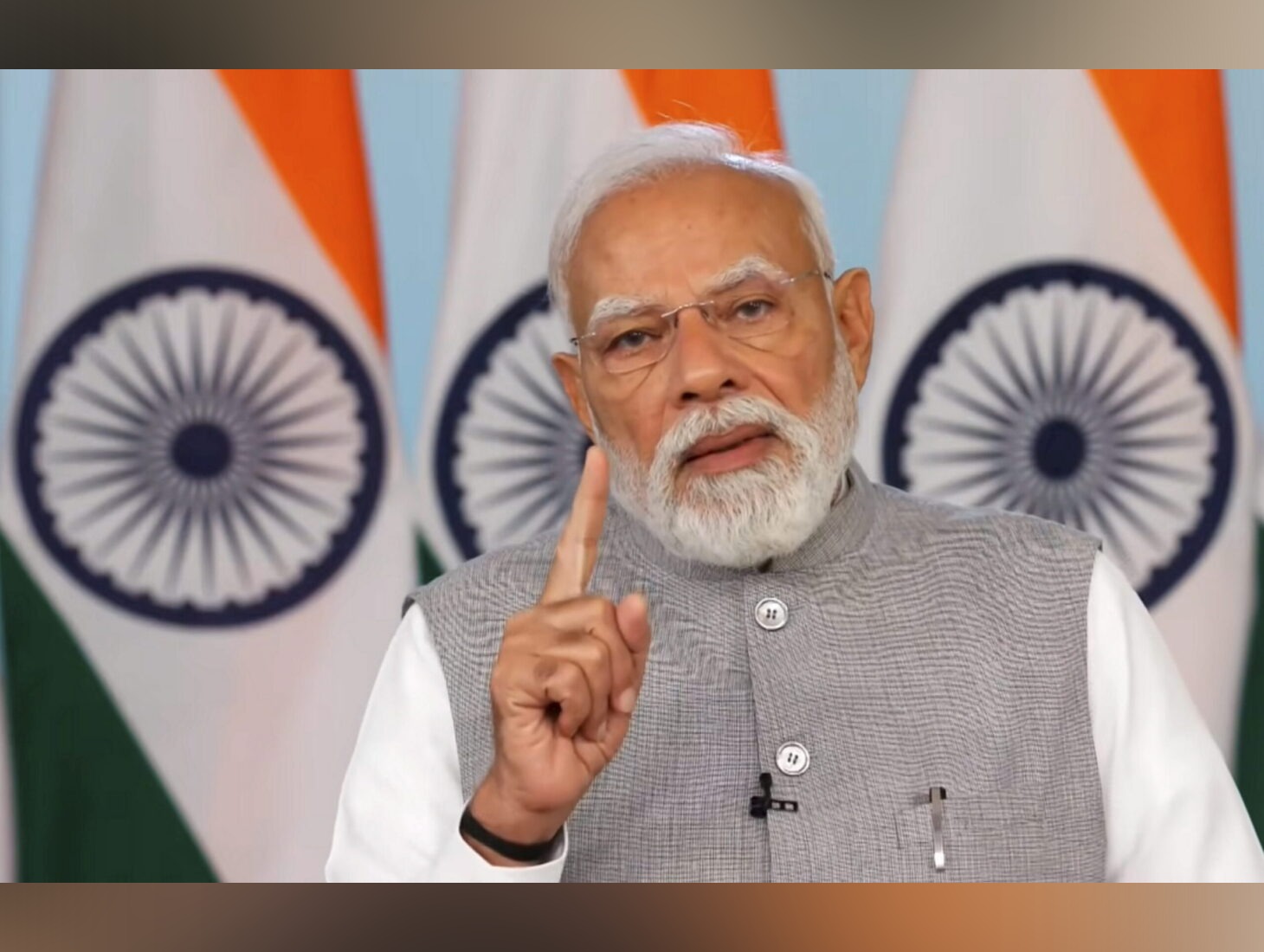
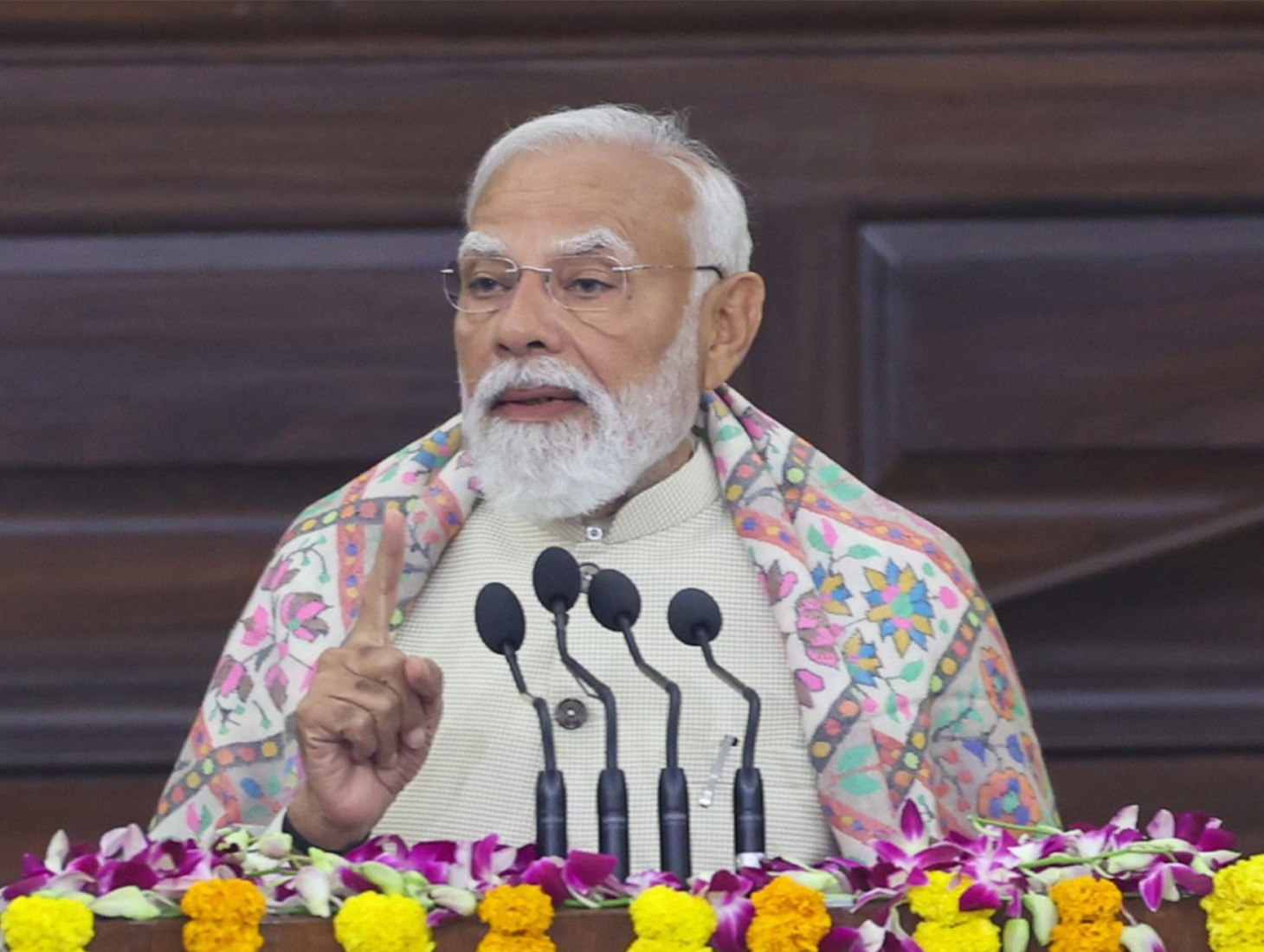
Announcing the decision after a Cabinet meeting chaired by Prime Minister Narendra Modi, Information and Broadcasting Minister Ashwini Vaishnaw said the scheme is expected to create around 15 lakh direct jobs and strengthen India’s industrial ecosystem through world-class infrastructure.
Under the BHAVYA scheme, industrial parks spread over 100 to 1,000 acres will be developed with financial support of up to Rs 1 crore per acre. The government said the parks will provide ready-to-use industrial infrastructure, allowing companies to move quickly from investment plans to production.
The proposed parks will include core facilities such as internal roads, underground utilities, drainage systems, common treatment plants, ICT networks and administrative services. They will also feature value-added infrastructure including ready-built factory sheds, built-to-suit units, testing laboratories, warehousing and worker housing.
Officials said support for external infrastructure of up to 25% of the project cost will also be provided to ensure better connectivity and integration with existing transport and logistics networks.
The government said projects will be selected through a challenge-based model, with priority given to high-quality, investment-ready and reform-oriented proposals. The scheme will be implemented in partnership with states and private sector players.
Vaishnaw said BHAVYA builds on the experience of industrial smart cities being developed under the National Industrial Corridor Development Programme and is designed to improve ease of doing business through faster approvals, single-window clearances and investor-friendly reforms.
The industrial parks are also expected to follow PM GatiShakti principles, with a focus on seamless multimodal connectivity, efficient last-mile access, green energy and sustainable resource use.
The government said the initiative will benefit manufacturing units, MSMEs, startups, logistics operators and service providers, while also strengthening domestic supply chains and encouraging regional industrialisation across states and Union Territories.
PTI