








The North News
Chandigarh, December 29
Punjab has reported significant gains in solid waste management and urban services in 2025, with several cities receiving national recognition under the Swachh Survekshan rankings, government said on Monday.
Municipal Corporation Bathinda was awarded the Swachh Shahar Award by the Ministry of Housing and Urban Affairs, while dozens of urban local bodies (ULBs) across the state secured certifications for garbage-free status, open defecation-free (ODF) standards and wastewater management.
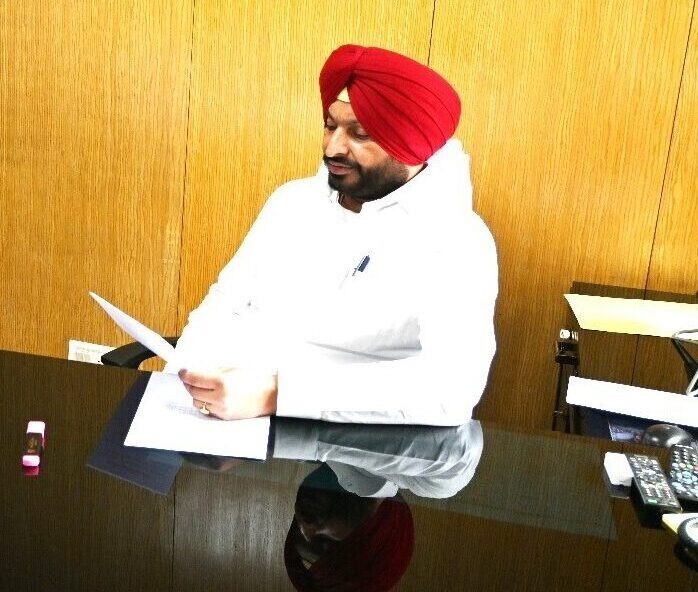
Punjab’s Local Government Minister Dr. Ravjot Singh said the improvements reflected sustained efforts by the department under the leadership of Chief Minister Bhagwant Singh Mann to modernise urban governance and sanitation services.
According to the government, 25 ULBs were certified as Garbage Free Star-1, one as Star-3, 46 as Pani+, 53 as ODF++, 43 as ODF+ and 22 as ODF. Officials said the state had also focused on clearing legacy waste, with more than 40 lakh metric tonnes of old waste already processed across 131 ULBs. A plan is in place to clear the remaining waste by April 2027.
The minister said special emphasis was placed this year on managing fresh waste, including improving door-to-door collection, segregation at source and scientific processing. Of the state’s total daily solid waste generation, more than 80% of wet waste is now being processed through composting, biomethanation and recycling channels, he added.
To support these efforts, thousands of tricycles and mechanical vehicles have been deployed for waste collection and transport, alongside the construction of compost pits and material recovery facilities across urban areas.
Punjab has also continued work under the Smart Cities Mission. Projects in Ludhiana, Amritsar, Jalandhar and Sultanpur Lodhi are at various stages of completion, with officials citing progress worth several thousand crore rupees across infrastructure, mobility and civic services. In addition, state-funded projects through the Punjab Infrastructure Development Board and municipal resources have expanded urban infrastructure in more than 160 ULBs.
In a push towards cleaner mobility, the government said over 1,200 diesel auto-rickshaws have been replaced with electric vehicles in Amritsar under the RAAHI scheme, while subsidised “pink e-autos” have been provided to women beneficiaries. The state is also procuring more than 400 electric buses for major cities, aiming to reduce pollution and reliance on private transport.
The Local Government Department has also rolled out doorstep delivery of key municipal services, reducing the need for citizens to visit government offices. Officials said GIS-based digitisation of water supply and sewerage networks has been completed in several towns, with additional mapping work finalised across more than 100 ULBs.
Ravjot Singh said the measures were aimed at making Punjab’s cities cleaner, more efficient and citizen-friendly, while aligning urban development with environmental goals.