






 The North News

North News
Chandigarh, December 18
Punjab’s Farishtey Scheme has proven to be a lifesaver for road accident victims, offering immediate, hassle-free treatment and reducing mortality rates. Launched earlier this year, the initiative provides free medical care to accident victims and has already helped 223 people in need.
The scheme was created in response to the alarming number of road accidents in India. According to the National Crime Records Bureau, around 1,400 road accidents and 400 deaths occur daily across the country, with Punjab alone witnessing about 5,000 deaths annually. The Farishtey Scheme provides unlimited treatment to accident victims, covering all costs.
CEO of the State Health Agency (SHA) Punjab, Babita, highlighted the scheme’s success, noting that 66 “Farishtas” – or Good Samaritans – have been registered since its inception. These individuals are those who assist accident victims and are rewarded with a Rs 2,000 cash prize, a commendation certificate, and legal protection. “We encourage people to come forward and help those in need. Their contributions are vital in saving lives,” she said.
The scheme has also received recognition from the Punjab Chief Minister, who awarded Rs 2,000 and certificates to 16 Farishtas on August 15, 2024, while other Farishtas were honoured by local authorities. Additionally, 494 hospitals, including 90 tertiary care facilities, have been empaneled under the scheme to provide care within the critical “golden hour” – the first hour after an accident when treatment is most likely to save lives. Hospitals are integrated with the Mapple mobile app, helping people find nearby facilities quickly, and emergency helplines such as 108, 1033, and 112 ensure rapid transportation to medical care.
The scheme also includes safeguards to ensure no patient is turned away, with a mechanism for filing complaints if any hospital demands payment for services. Babita emphasized that the scheme’s success relies on both public and hospital participation to reduce the toll of road accidents in Punjab.
Chandigarh, September 15 Rahulinder Singh Sidhu, son of former Punjab chief minister Rajinder Kaur Bhattal,…
Chandigarh, September 15 Congress leaders including AICC general secretary in-charge of Punjab Sachin Pilot, Leader…
Man wanted in Ambala robbery case traced after three-day search in Royal City Patiala, September…
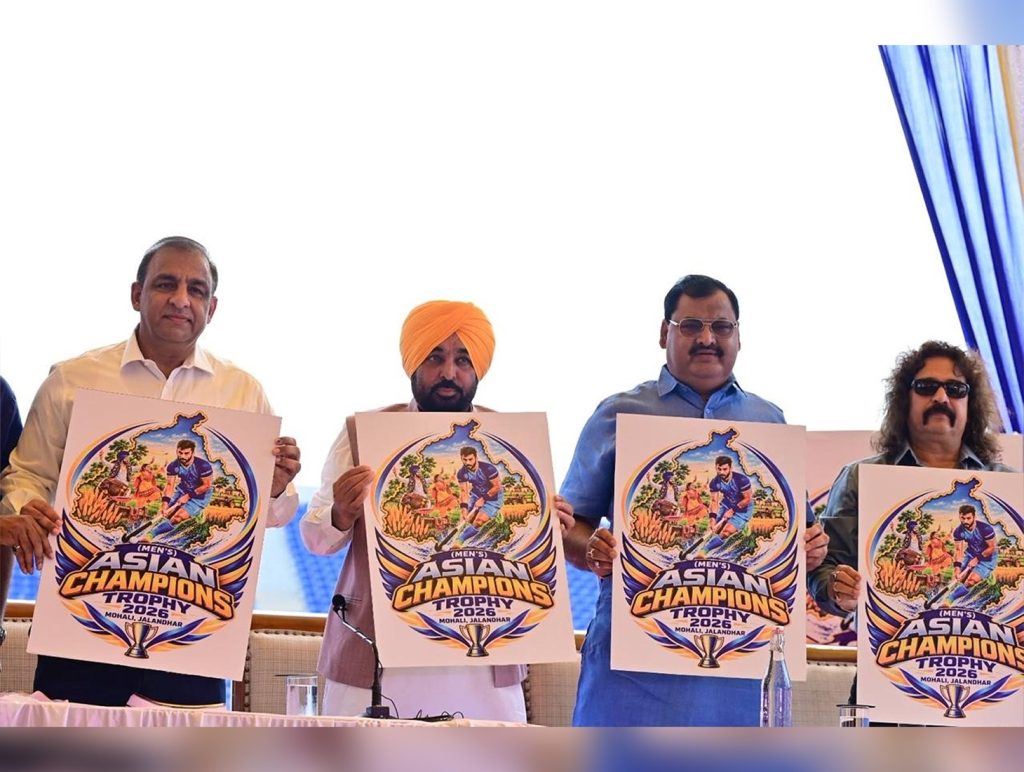
India-Pakistan clash scheduled for November 1 in Jalandhar, while semi-finals and final will be held…