





 Dr Kiran Deep
Ludhiana, February 20
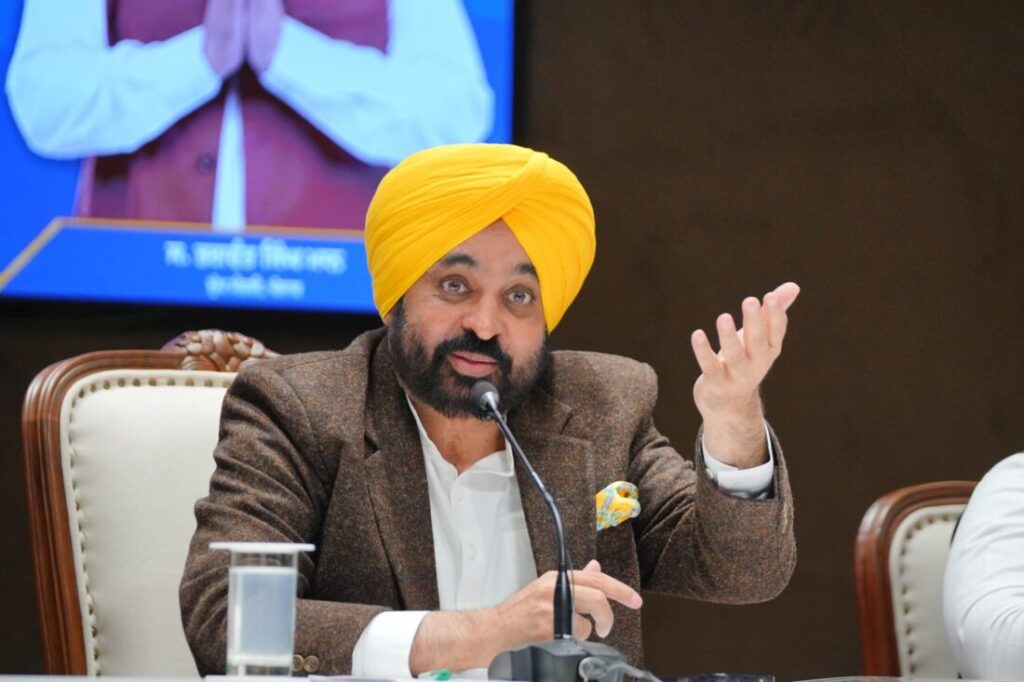
Punjab Chief Minister Bhagwant Mann on Thursday described sports as the “most lethal weapon” against the drug menace and announced that the state government will increase the spots budget in the forthcoming fiscal year.
Addressing a gathering at the Kila Raipur Rural Olympics, Mann said the state is prompting sports to channelise the energy of the youth in a positive direction. He noted that stadiums are being constructed in every village across Punjab, adding that it is a matter of pride that local sportspersons are winning medals at national and international events.
The chief minister highlighted the resumption of bullock cart races, a major attraction of the fair, after 13 years. He attributed the revival to legislative changes made by his government.
“The ‘Prevention of Cruelty to Animals (Punjab Amendment) Act, 2025, was unanimously passed in the Punjab Vidhan Sabha on July 11, 2025, paving the way for the resumption of these races,” Mann said. He added that following the amendment, a heritage sport event was held at village Mehma Singh Wala in Ludhiana on July 29, 2025.
Mann said the games, popularly known as the “Mini Olympics” or “Rural Olympics”, reflect the state’s rural culture and heritage.
“We are witnessing historic moments. People have deep affection for their bulls and raise them like their own sons. Bulls are an integral part of the cultural heritage; the first Sikh Guru, Guru Nanak Dev, spent a long time farming with bulls at Kartarpur Sahib,” he said.
The chief minister recalled the legacy of the Grewal Stadium, noting that legendary hockey players including Dhyan Chand, Balbir Singh, Udham Singh, Prithipal Singh, Ajitpal Singh and Surjit Singh had showcased their talent there.
He also mentioned that athletes such as Milkha Singh, Makhhan Singh, Praduman Singh, Gurbachan Singh Randhawa and Parveen Kumar had competed on the same track.
Tracing the history of the event, Mann said the vision for the stadium was conceived in 1933 under the patronage of Inder Singh. Wrestling matches began that year, following by chariot races in 1942. These evolved into bullock cart races in 1950.
“In 1964, this became the first rural stadium to introduce girls’ athletics,” he added, noting that the event has historically drawn high-profile visitors, including the President of India.
PTI
FIR names four persons, others after video of alleged assault goes viral Patiala: A tipper…
Nayab Singh Saini says Congress faces ‘turmoil’ across country Patiala: Haryana Chief Minister Nayab Singh…
Congress leader says he is attending meetings with workers in Sangrur Patiala: Senior Congress leader…
Patiala, Bathinda bus stands among facilities set for upgrades as corporation expands fleet and explores…