







 The North News
Yog Raj Sharma
The North News
Shimla, February 7
Himachal Pradesh Chief Minister Sukhvinder Singh Sukhu has asked legislators and officials to fast-track development works as his government finalises priorities for the 2026–27 financial year, with a strong focus on health, education and the rural economy.
Sukhu was speaking in Shimla on Friday during the second and concluding session of a two-day meeting with MLAs from Shimla and Kangra districts. The exercise is aimed at incorporating constituency-level demands into the next state budget.
The chief minister said the government was prioritising health, education, rural livelihoods, tourism, energy, food processing and data storage, describing them as key drivers of long-term growth. He highlighted recent measures to boost farm incomes, noting that Himachal Pradesh had become the first Indian state to offer the highest minimum support price for milk as well as for naturally grown wheat, barley, maize and turmeric.
“These steps will significantly strengthen the rural economy and improve living standards in villages,” he said.
On education, Sukhu cited a national survey which placed Himachal Pradesh fifth among Indian states for quality education, a sharp rise from 21st position in 2021. He said sustained investment and governance reforms had helped the state overtake 16 others in just four years.
In healthcare, the chief minister said government hospitals were being upgraded with advanced technology to deliver specialised services. Robotic surgery facilities have already begun at the All India Institute of Medical Sciences (AIIMS) Chamyana and at Tanda Medical College, with plans to extend the facility to all medical colleges in the state.
Sukhu also pointed to reforms aimed at attracting investment, saying Himachal Pradesh had been recognised as a “Top Achiever State” under the central government’s Business Reform Action Plan 2024. He added that the state’s push for digitisation and e-filing had earned it the “People First Integration Award” for citizen-centric digital services.
According to a 2025 report prepared with the United Nations Development Programme, Himachal Pradesh recorded an average Human Development Index of 0.78, well above the national average of 0.63. Sukhu said the figure showed that hill states with limited resources could still deliver strong social outcomes through sound policies and public participation.
The chief minister urged MLAs to submit their development priorities to the Planning Department in the prescribed format so they could be reflected in the 2026–27 budget. He also directed officials to resolve constituency issues on a priority basis and called on legislators to support the government’s campaign for a “chitta-free Himachal”, aimed at tackling drug abuse.
During the meeting, MLAs from Shimla district sought improvements in education facilities, drinking water schemes, road infrastructure and urban services. Legislators from Kangra raised a wide range of issues, including completion of hospitals and bridges, flood protection, better power supply for industrial areas, new educational institutions, repair of traditional irrigation channels, and measures to boost tourism and public transport.
Vice-chairman of the State Planning Board Bhawani Singh Pathania said the annual priority-setting meetings reflected the strength of Himachal Pradesh’s democratic process. Several ministers, senior bureaucrats and department heads were also present.
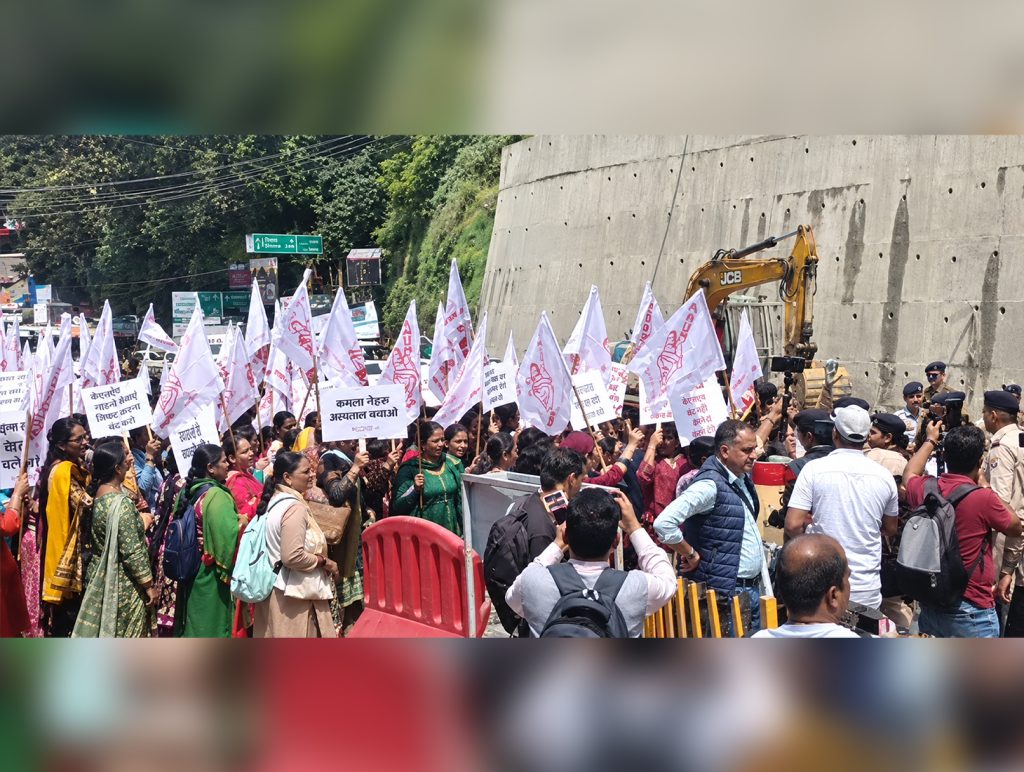
Mahila Samiti marches to Secretariat against relocation of gynaecology services; SFI, CITU extend support Shimla,…
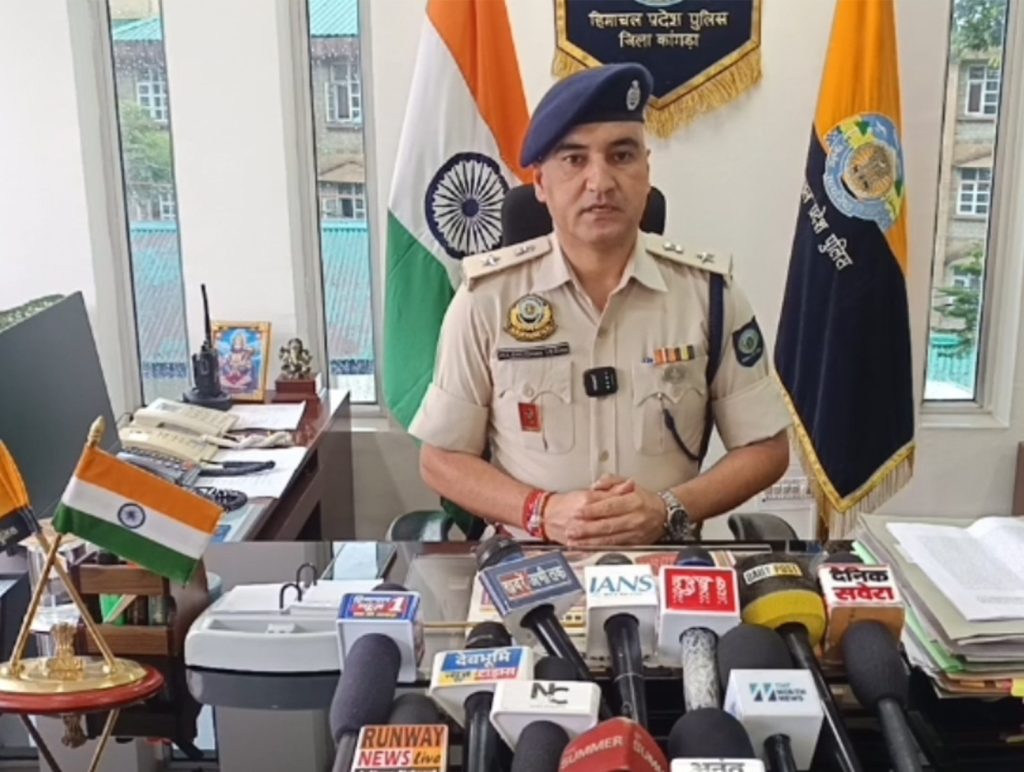
Patient was undergoing treatment in psychiatry ward; probe on Dharamshala, September 15 A woman from…
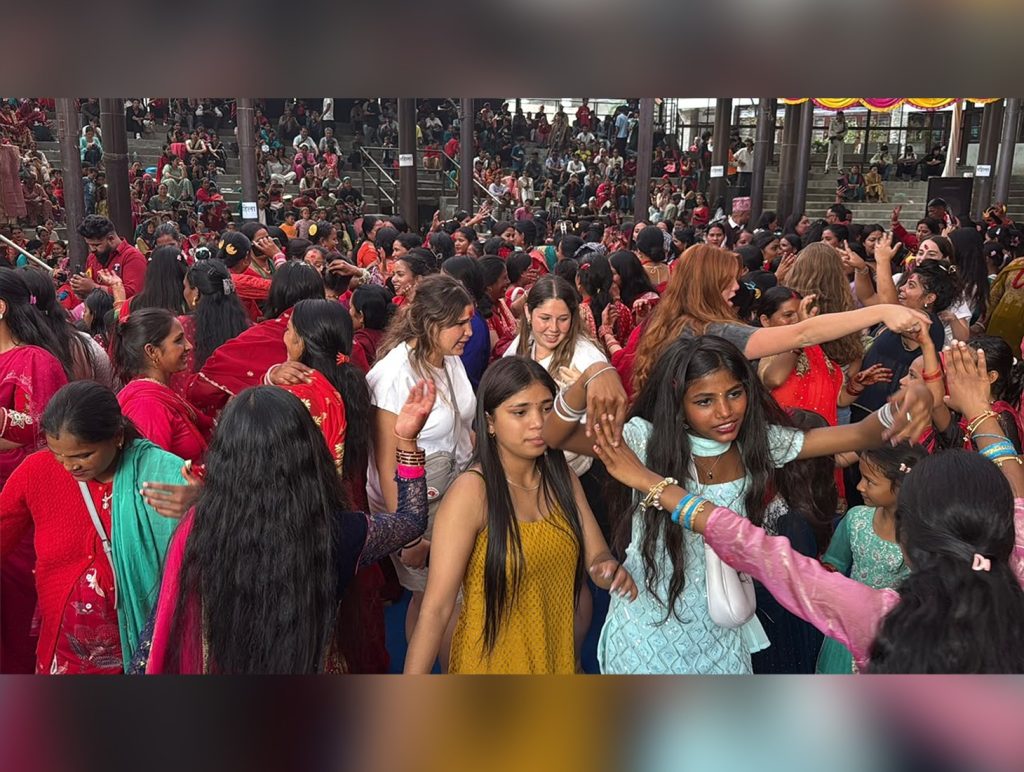
Women observe day-long fasts for husbands’ well-being; cultural programme held at Manu Rangshala Manali, September…

Actor-producer spent time with Tibetan spiritual leader Dharamshala, September 15 Indian actress and filmmaker Neena…