





 The North News
The North News
Siddharthnagar (UP), January 28
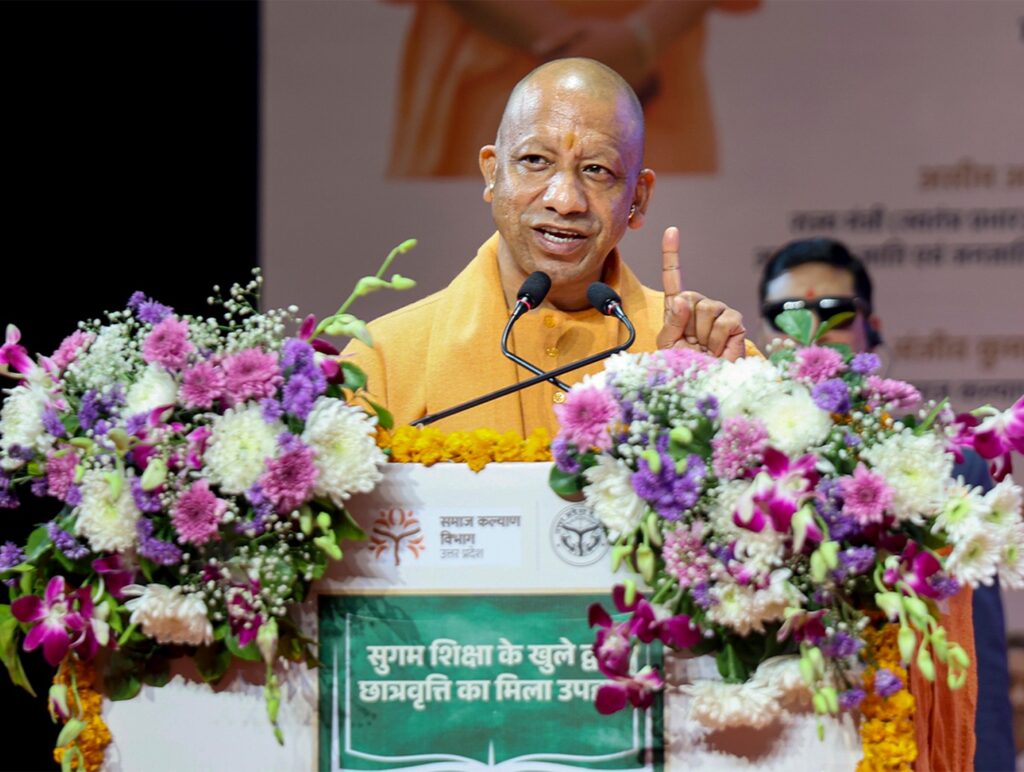
Asserting that development cannot be divided based on caste, religion or region, Uttar Pradesh Chief Minister Yogi Adityanath on Wednesday said the government is committed to carrying out welfare and development works “without bias or discrimination”.
He noted that a discrimination-free approach reflects Ram Rajya (an ideal rule of just, ethical, people-centric governance as described in Ramayana).
Addressing a public gathering here after inaugurating and laying the foundation of 229 development projects worth over Rs 1,052 crore, Adityanath said the state government considers the entire population of Uttar Pradesh as one family and works with the spirit of inclusive and sustainable development.
“Development cannot be achieved by dividing society. It has to be pursued with a comprehensive outlook and without any discrimination, no ‘mine’ or ‘yours’, no caste, religion, language or regional bias. This discrimination-free approach alone reflects the true spirit of Ram Rajya,” the chief minister said.
The programme, marking the inauguration of the Siddharthnagar Mahotsav, was attended by Leader of Opposition in the Uttar Pradesh Assembly and Itwa MLA Mata Prasad Pandey, state minister Anil Rajbhar, Dumariaganj MP Jagdambika Pal and other public representatives.
Adityanath paid tributes to Lord Buddha, describing Siddharthnagar as a sacred land that gave the world the message of compassion and harmony.
He also expressed condolences over the reported death of Maharashtra Deputy Chief Minister Ajit Pawar in an airplane crash and extended sympathies to the bereaved families.
Calling the inaugurated projects a “collective effort”, the chief minister said the proposals came from public representatives and were approved on merit.
“We are only a medium. When justified proposals come, funds are released without discrimination,” he said.
Highlighting the transformation of Siddharthnagar, once classified as an aspirational district, Adityanath said the region earlier suffered from poor infrastructure, disease and migration. He noted that encephalitis, which had claimed lives for decades, was eliminated within a few years after 2017 through sustained efforts inspired by Prime Minister Narendra Modi.
“Those who lost their lives were not vote banks for us. They were part of our family, and the government fulfilled its responsibility,” he said.
The chief minister said Siddharthnagar now has improved road connectivity, including four-lane highways linking the district with neighbouring regions and Nepal, which would boost investment and employment.
He added that the Shamli-Gorakhpur corridor passing through Dumariaganj, Bansi and Itwa would act as a development corridor for the area.
Referring to infrastructure expansion, Adityanath cited the establishment of a medical college, the start of a nursing college, the inauguration of a women’s hostel and plans for a 1,000-seat auditorium under corporate social responsibility initiatives.
He also spoke about welfare schemes, saying benefits such as ration, toilets, housing under the Pradhan Mantri Awas Yojana and Ayushman Bharat health cards must reach every poor household without discrimination.
“This is the essence of ‘Sabka Saath, Sabka Vikas’,” he said.
Urging farmers to diversify cropping patterns, Adityanath appealed to them to adopt a third crop in addition to the traditional two, citing examples from Kannauj, Auraiya and Kanpur Dehat where maize cultivation has yielded additional income of nearly Rs 1 lakh per acre.
The chief minister also called for recognising and honouring artists, sportspersons, traders and others doing exemplary work at the local level during district festivals to foster healthy competition and positive energy.

Did information allegedly held by Sushant Singh Rajput’s former manager about drug trafficking, child abuse…
New Delhi, September 14 Improving political, diplomatic and military engagement between India and China…
Chandigarh, September 14 Prime Minister Narendra Modi on Monday congratulated the Indian women’s cricket team…
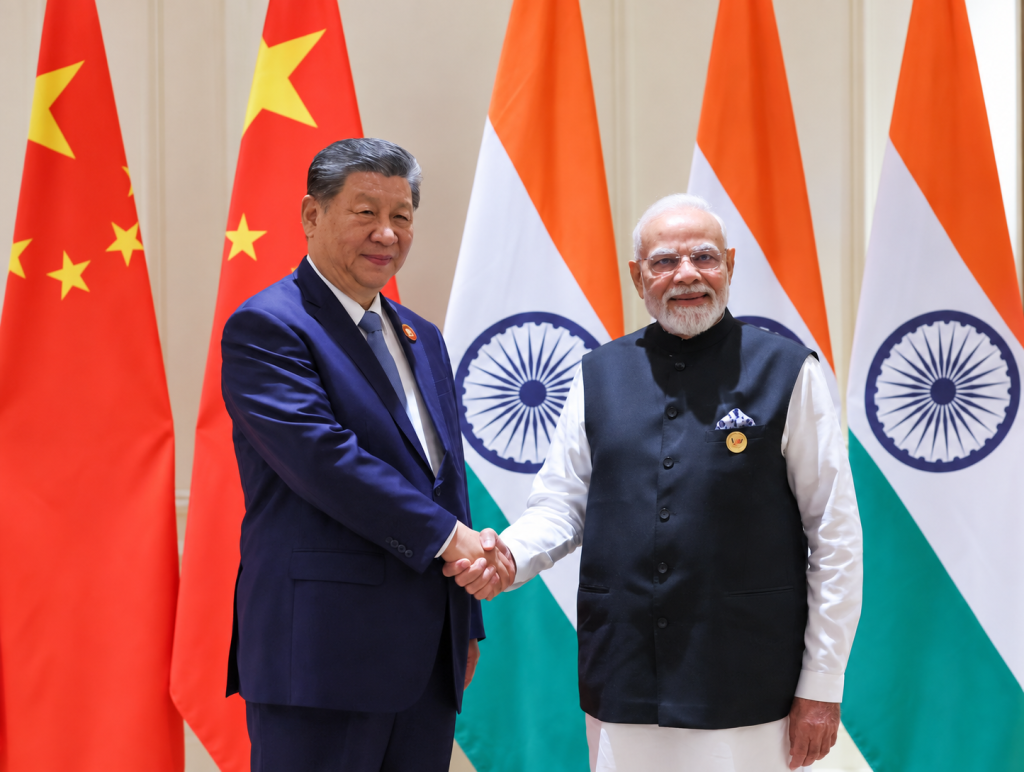
New Delhi, September 12 Prime Minister Narendra Modi and Chinese President Xi Jinping on Saturday…