






 The North News
The North News
Chandigarh, January 22
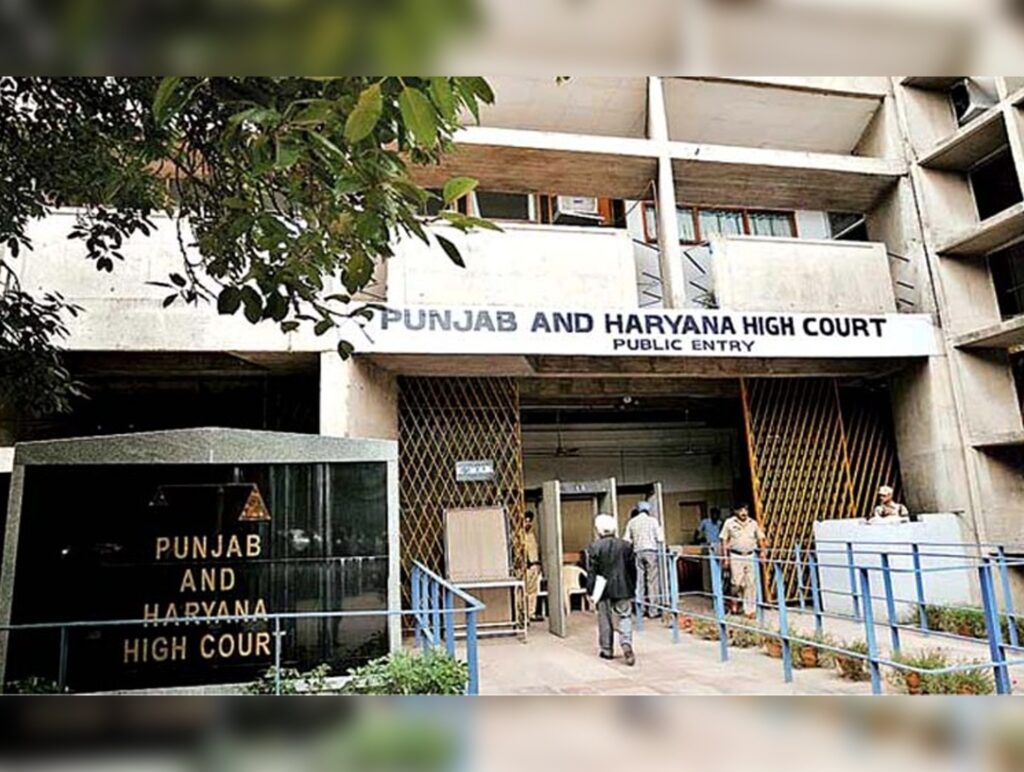
The Chandigarh Union Territory administration has submitted a holistic development plan for the expansion of the Punjab and Haryana High Court complex after getting a nod from the Chandigarh Heritage and Conservation Committee (CHCC), said officials.
The holistic development plan has been forwarded to Fondation Le Corbusier, Paris, through the government of India, they further said on Thursday.
The high court building is an integral part of Le Corbusier-designed Capitol Complex and it has been a UNESCO World Heritage site since 2016.
The Capitol Complex in Sector 1 here comprises structures including the high court, the legislative assembly and the secretariat. It also houses iconic structures such as the Open Hand Monument.
The Capitol Complex, which stands as a remarkable example of modernist architecture and urban planning, was designed by renowned architect Le Corbusier in collaboration with his cousin Pierre Jeanneret and a team of architects. It is a significant part of Chandigarh’s identity and a UNESCO World Heritage Site since 2016.
Any construction activity at the World Heritage Site is prohibited and it requires approval from the UNESCO World Heritage Committee (WHC).
The proposal regarding the development plan of the Punjab and Haryana High Court is likely to be taken up for approval by the UNESCO WHC, Busan, in Korea, in July.
The holistic development plan comprises the construction of a new block at the high court complex over 20.5 lakh square feet. The plan includes courtrooms, chambers for judges and office space, three blocks, each with a maximum height of three floors, along with three parking facilities.
The expansion of the high court complex is aimed at addressing the shortage of space.
On Tuesday, the CHCC, at its meeting held under the chairmanship of Chandigarh UT Chief Secretary H Rajesh Prasad, approved the holistic development plan of the high court complex.
A Noida-based consultant, which was engaged, made a presentation on the conceptual proposal, highlighting heritage-sensitive planning, protection of the outstanding universal value (OUV), adherence to the International Council on Monuments and Sites (ICOMOS) guidelines and integration of open spaces and infrastructure.
The CHCC members had emphasised the need to preserve the sanctity of the Capitol Complex, ensure heritage impact assessment (HIA), obtain environmental clearances and strictly comply with UNESCO norms.
It was reiterated that all statutory approvals, heritage clearances and environmental permissions shall be obtained prior to execution of the project.
Police to question them about the illegal weapon used in the incident Panchkula, September 15…
57.57 per cent of identified criminals verified as police step up intelligence-led surveillance Chandigarh, September…
Trust marks 20 years of service with welfare, youth and education initiatives Panchkula, September 12…

Campaign to run from September 17 to October 17 with public outreach programmes Panchkula, September…