








 The North News
The North News
New Delhi, December 8
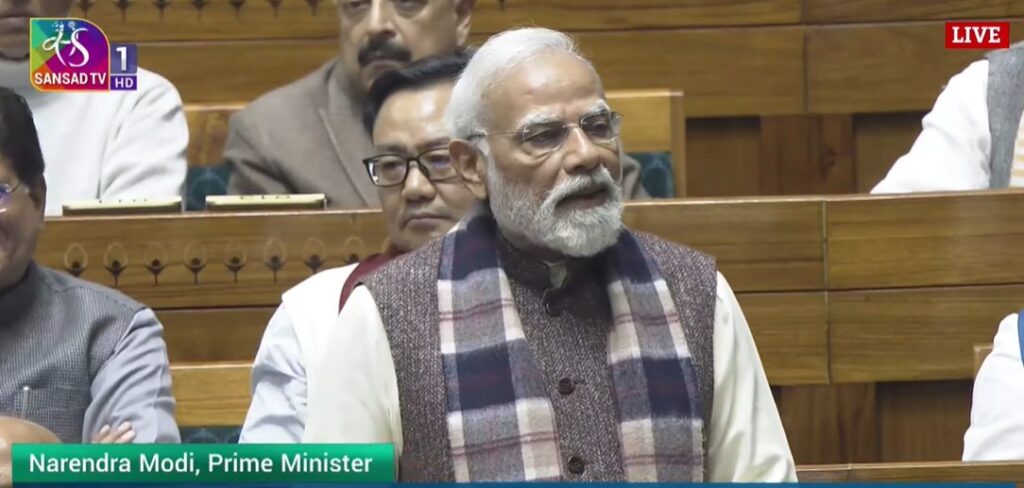
Prime Minister Narendra Modi on Monday accused Jawaharlal Nehru of softening his stance on Vande Mataram in the 1930s under pressure from the Muslim League. During debate in the Lok Sabha on the 150th anniversary of Vande Mataram, Modi told MPs that Nehru, in a letter to Subhas Chandra Bose in October 1937, agreed that the song’s origins in Bankim Chandra Chatterjee’s Anandamath “could irritate Muslims”—a sentiment Modi said aligned with Muhammad Ali Jinnah’s objections and pushed Congress towards what he called a “compromise” over national identity.
The Prime Minister argued that the episode marked the beginnings of what he described as an “appeasement mindset” within Congress. He said the party, after announcing a review of the song’s use in Bengal, had “knelt before the Muslim League”, and suggested this pattern of concessions ultimately culminated in the acceptance of partition. He went further still, rechristening Congress as the “Muslim League Congress”, a provocative political label likely to intensify confrontation between the ruling party and the opposition.
Although the debate was intended to honour 150 years of Vande Mataram, Modi blurred the lines between historical reflection and partisan critique. Yet he also sought to frame the moment as one of national unity, saying there should be “no ruling or opposition division” while acknowledging a song that once galvanised the freedom movement and shaped India’s anti-colonial imagination.
He described the song’s origins in 1875 as a response to the British effort to popularise “God Save the Queen” across India, portraying Bankim Chandra’s work as an act of creative defiance. By the time Anandamath was written in 1882, Modi said, Vande Mataram had evolved into a cultural rallying cry, drawing on older civilisational ideas that viewed the land as mother and its people as children.
Modi used the anniversary to recount the song’s journey through moments of national upheaval: its 50th year under colonial rule, its centenary during the Emergency when civil liberties were curtailed, and its continued symbolic role in democratic resistance. He argued that the present moment offered a chance to “re-establish its glory” and restore its place in public life.
The Prime Minister urged MPs to draw inspiration from the song as India approaches 2047—the centenary of independence—which he cast as a milestone for building a self-reliant and developed nation. He linked the commemoration to broader national observances, including the 75th anniversary of the Constitution and the recent tributes to Sardar Vallabhbhai Patel, Birsa Munda and Guru Tegh Bahadur.
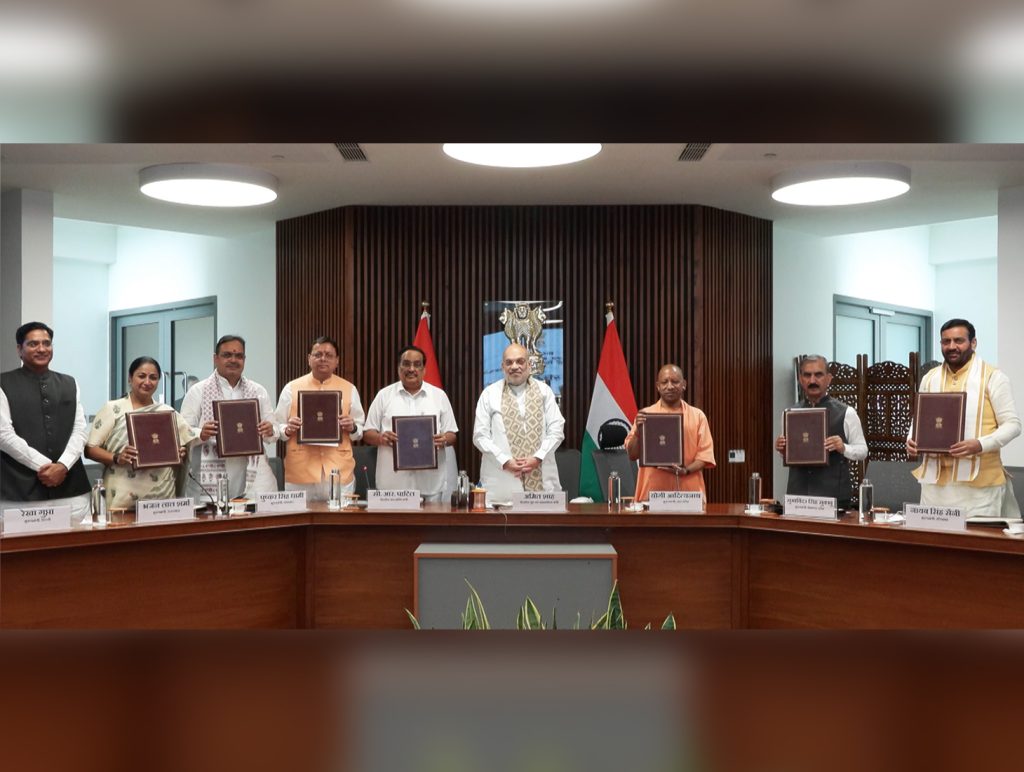
Six states sign Rs 15,624-crore pact; Delhi, Haryana and Rajasthan to bear state’s estimated power-component…

Did information allegedly held by Sushant Singh Rajput’s former manager about drug trafficking, child abuse…

New Delhi, September 14 Improving political, diplomatic and military engagement between India and China…
Chandigarh, September 14 Prime Minister Narendra Modi on Monday congratulated the Indian women’s cricket team…