






 The North News
Yog Raj Sharma
The North News
Shimla, July 22
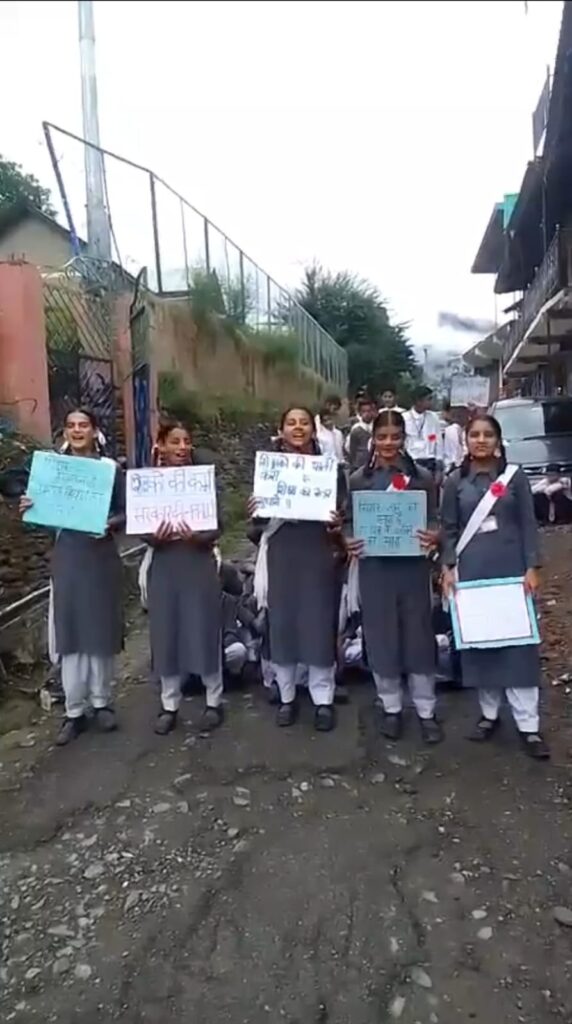
In the tribal highlands of Himachal Pradesh, students are now marching on the streets — not to skip school, but because their classrooms sit empty. The protest by pupils of the Government Senior Secondary School in Lamoo, located in the geographically remote and socially marginalised Bharmour constituency, lays bare a long-standing contradiction: while politicians at both state and national levels continue to boast about record education budgets and rural upliftment schemes, the lived reality in many interior regions remains alarmingly unchanged.
The sight of schoolchildren holding placards demanding teachers — not better grades, not scholarships, but simply teachers — should serve as a damning indictment of the current administrative order. These are not rebellious teenagers with political backing. They are children who have been pushed by desperation to act as whistleblowers of systemic neglect.
That it has come to this — students forced into protest simply to claim their basic right to education — should alarm even the most jaded bureaucrat in Shimla or Delhi. For all the Centre’s post-COVID rhetoric about bridging learning gaps and ensuring inclusive digital access, the fundamentals are still broken. A school without teachers is not an institution — it is a hollow building, a symbol of both promise and failure.
Janak Raj, the local BJP MLA, has been quick to seize the moment. His criticism of the Congress-led Himachal government — though politically charged — also carries a factual weight. Bharmour is not an ordinary constituency. Its mountainous terrain, tribal population, and weak connectivity make service delivery uniquely difficult. To ignore such challenges under the guise of broader policy achievements is not just bad governance — it is wilful blindness.
In recent years, education discourse has leaned heavily on digital aspirations — smart classrooms, online assessments, and NEP reforms. But Lamoo reminds us that before any of this can matter, a student needs a teacher at the blackboard.
The larger concern is the systemic one: budgeted funds rarely match ground-level execution. Often, teacher posts remain vacant due to slow recruitment, lack of incentives for remote postings, or simply poor planning. If the Bharmour protest doesn’t ring alarm bells in the state education department, what will?
The future of India’s human capital — often touted as the country’s greatest asset — is being quietly undermined in the hills, valleys, and hinterlands. For every student marching in Lamoo, there are likely dozens more silently dropping out elsewhere due to similar failures.
The education system doesn’t need slogans or mega-launches. It needs teachers in classrooms, desks in schools, working toilets, midday meals delivered, and a sense of urgency that recognises rural children as equal stakeholders in India’s growth story.
The protest in Lamoo is more than a cry for help. It is a referendum on a failing promise.
New Delhi, September 17 India’s semiconductor ecosystem is expanding rapidly, opening new opportunities for innovation,…
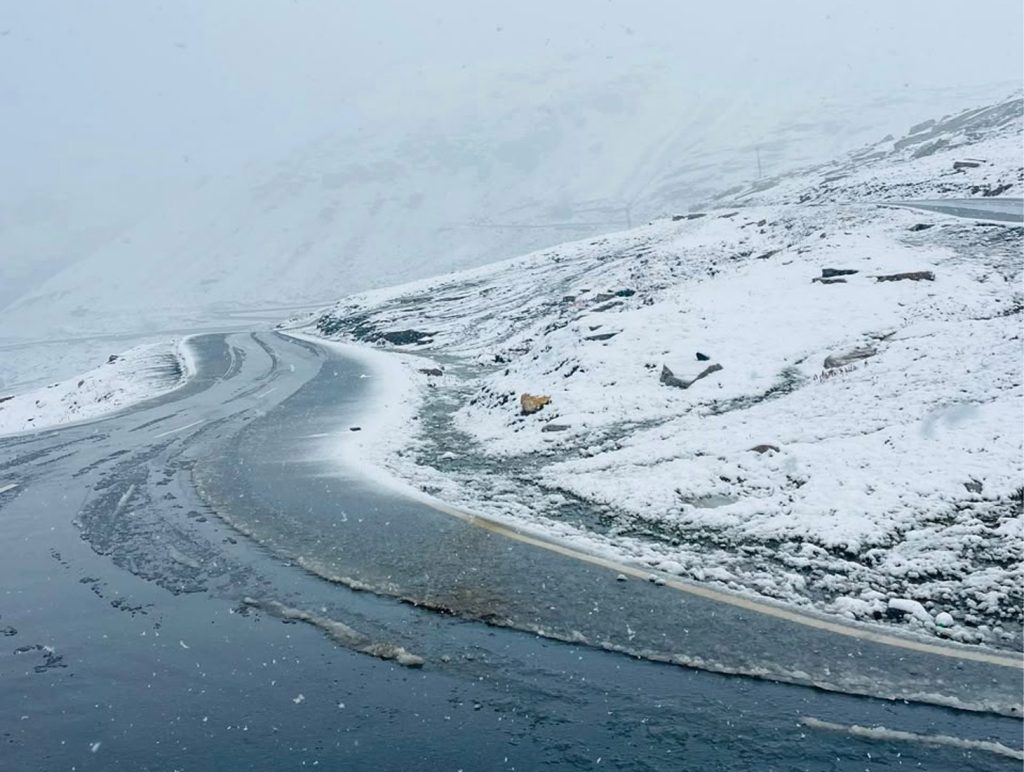
Fresh snowfall in higher reaches, rain in Manali bring a sharp nip in the air…
New Delhi, September 17 Prime Minister Narendra Modi on Thursday thanked people across the country…
New Delhi, September 17 Reacting on passage of the sanctioning Russia and Iran Act in…