







 The North News

The North News
Chandigarh, April 15
In a major policy shift aimed at revitalising the state’s education system, the Punjab government has restored the promotion quota for principals in government schools from 50% to 75%, a move that is expected to promote 500 senior teachers to leadership roles. The announcement was made on Tuesday by Harjot Singh Bains, Punjab’s Minister for School Education.
Speaking about the decision, Bains said it reflected the Bhagwant Mann-led government’s “clear and unwavering commitment” to both the welfare of educators and the elevation of educational standards across the state. He took a swipe at the previous Congress-led administration, which in 2018 had slashed the quota from 75% to 50%, resulting in a significant shortage of principals in Punjab’s public school system.
“By restoring the quota, we are not just correcting a past mistake, but also creating meaningful opportunities for qualified and experienced teachers to step into much-needed leadership positions,” said Bains. He added that the expanded quota would address long-standing stagnation in promotions, enhance morale among teaching staff, and cultivate a more dynamic and effective learning environment. “Leadership at the school level is critical for shaping academic outcomes. This change will encourage innovation and accountability from the top,” he noted.
Bains also outlined broader educational reforms under the Sikhya Kranti (Education Revolution) initiative, under which ₹2,000 crore is being invested to modernise over 12,000 government schools. The programme includes the development of new infrastructure, the establishment of Schools of Eminence, and training programmes for teachers and school heads at prestigious national and international institutes.
“Teachers are the backbone of our education system,” Bains said. “Equipping them with the best global pedagogical practices and promoting them based on merit and experience is central to our vision for modern, inclusive public education.”
The move is likely to be welcomed by educators who have long expressed frustration over bureaucratic bottlenecks and limited career progression. It also marks another high-profile education reform by the Mann government, which has consistently framed improvements to public schooling as a core priority.
Observers note that the decision could have a ripple effect on school performance, particularly in rural and under-resourced areas, where the absence of permanent principals has affected academic planning and school discipline. While the political motivations behind the announcement may not go unnoticed, the practical implications could be far-reaching—bringing stability and leadership to classrooms that have long operated without it.
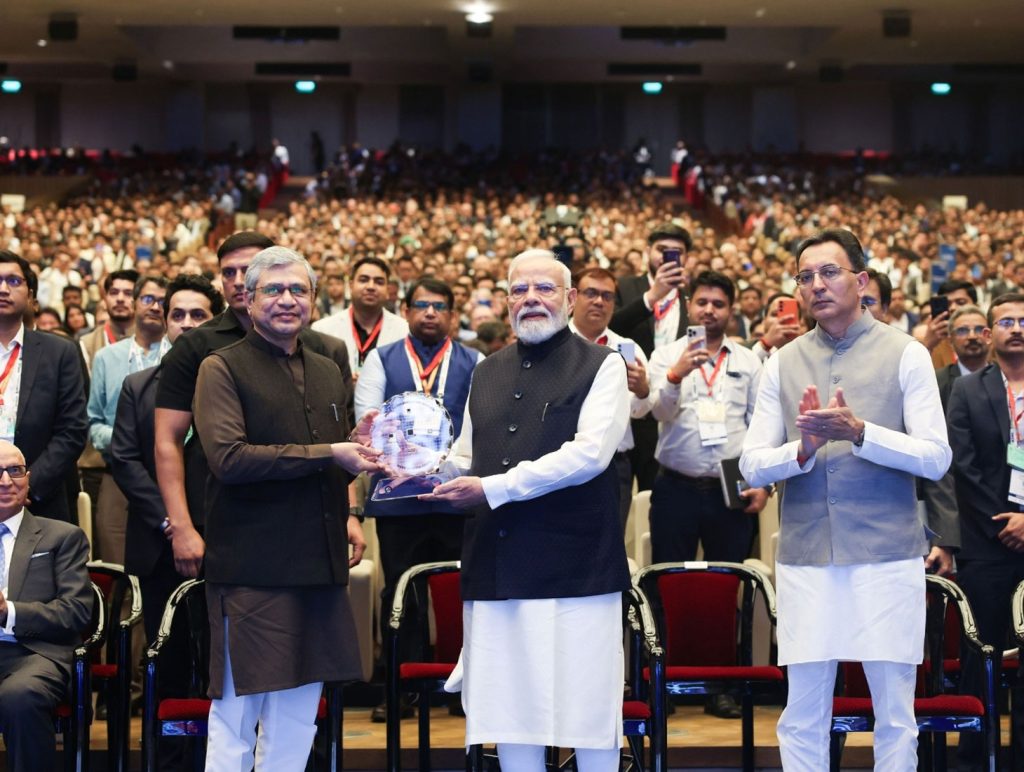
New Delhi, September 17 India’s semiconductor ecosystem is expanding rapidly, opening new opportunities for innovation,…

Rakhra gets organisational charge of constituency represented by Chetan Singh Jauramajra Samana, September 17 The…
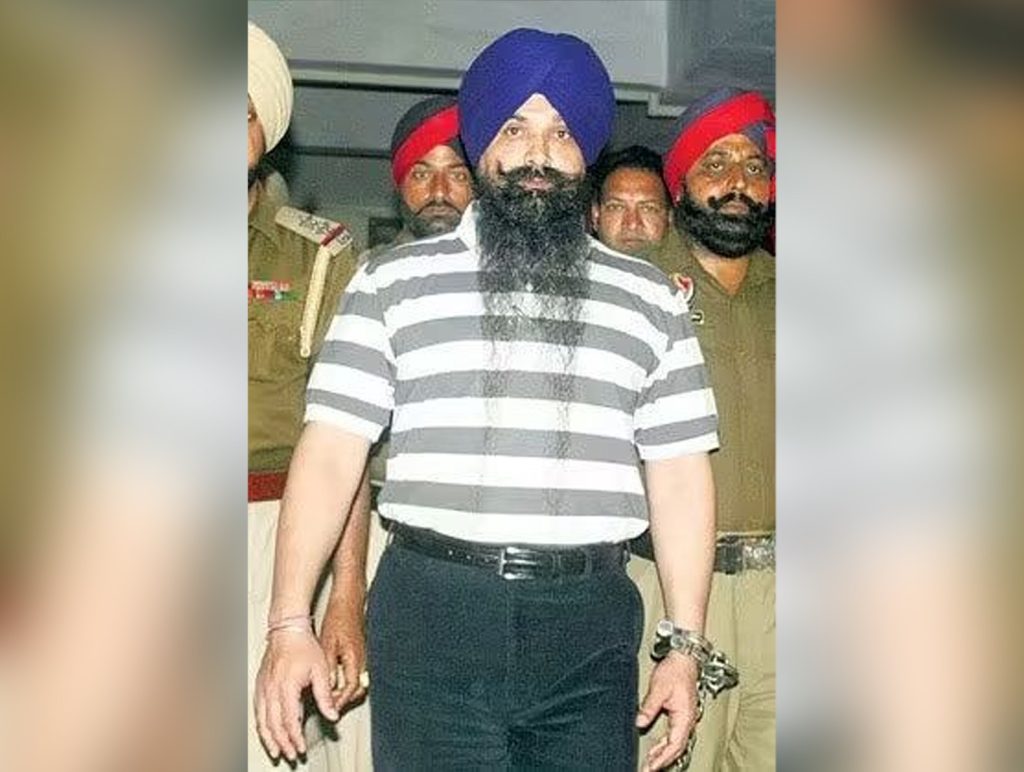
Says he has spent nearly 31 years in prison and over 20 years under a…
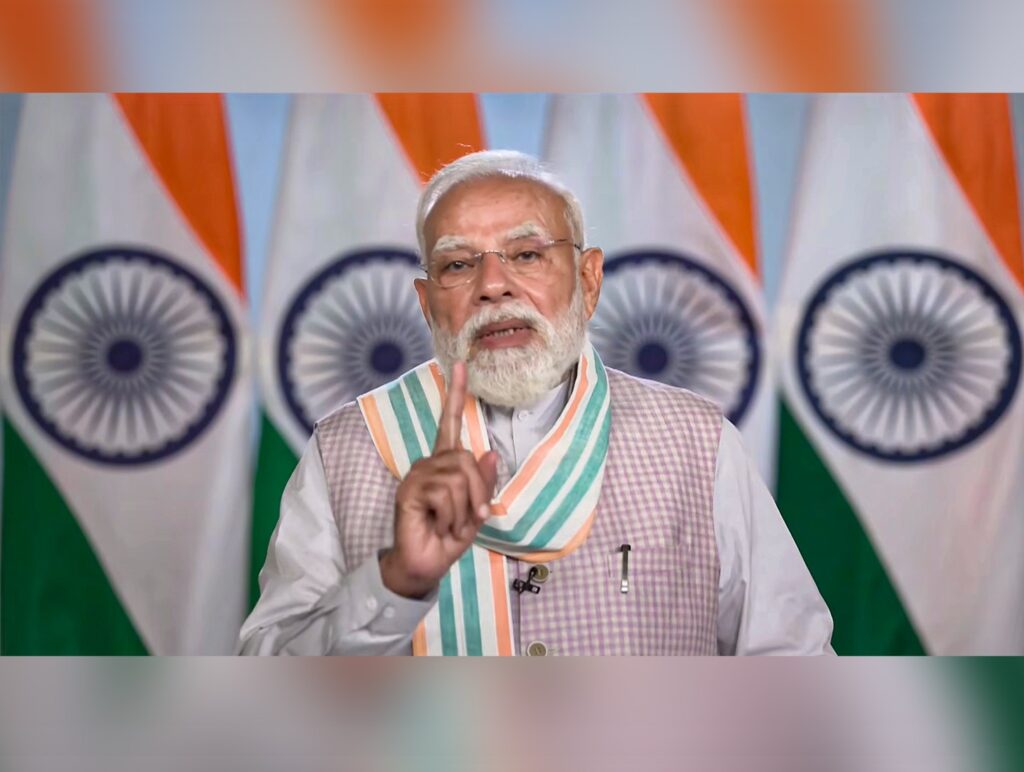
New Delhi, September 17 Prime Minister Narendra Modi on Thursday thanked people across the country…